Deaf Cricket Australia Closes: Implications for Future Generations

A Heart-breaking Decision That Shakes the Deaf Sporting Community.

On January 31st, 2025, members of Deaf Cricket Australia (DCA) gathered at Melbourne Deaf Cricket Club. Others joined online for the historic but deeply emotional meeting. The organization announced its closure. What should have been a celebration of 130 years of Deaf cricket in Australia turned into a painful farewell.

Two Big Ears could look in and ask questions during the live-streamed session. We thank Expression Australia for setting up the technical arrangements.

The decision was not made lightly. DCA representatives Melissa Hale, Justin Bergin, and James Hale stood before a devastated audience. They explained the irreversible breakdown in negotiations with Cricket Australia (CA). The raw emotion in the room was unmistakable. As they spoke, their heartbreak was visible to everyone. They fought to hold their composure. It was clear how much this loss meant to them.

Cricket Australia’s Grip on Deaf Cricket

In recent years, Deaf Cricket Australia had to adapt to the structures set by Cricket Australia. Cricket Australia controls the National Cricket Inclusion Championships (NCIC) and the Australian Deaf Cricket Team.

The problem? Cricket Australia had full control.

Under its agreements, DCA:

  • Lost its autonomy to run independent competitions or seek its own sponsorship.
  • Was denied the right to form an Australian Deaf Women’s Cricket Team. This happened despite other countries like India and Sri Lanka already having theirs.
  • Had no say in decisions affecting Deaf cricket at a national level.

Melissa Hale made it clear:

“We knew from 130 years of history how Deaf cricket works. Cricket Australia just did not agree.”

With most hard-of-hearing players growing up in the hearing world, DCA’s biggest fear was the loss of Deaf leadership. They worried that the future of the sport would become just another hearing-dominated system. This change will strip it of the cultural and community values that made it unique.
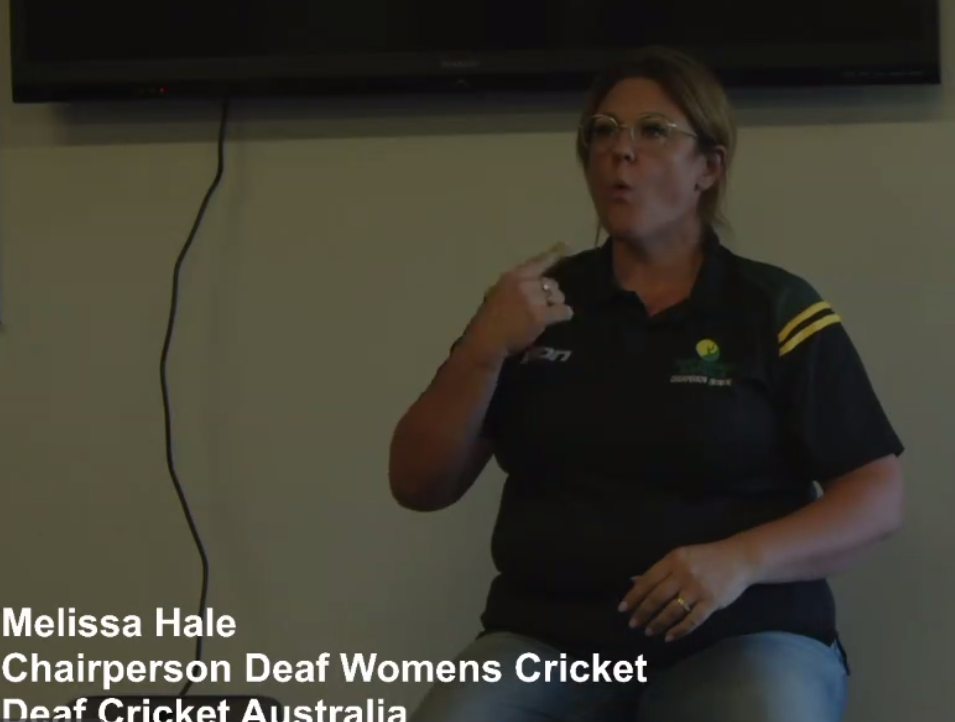
Melissa Hale, DCA, speaking at the meeting.

A Decision Five Years in the Making

For over five years, Deaf Cricket Australia pushed for greater Deaf leadership. They also advocated for Deaf mentors and a structure that protected Deaf culture within the sport.

But the barriers were impossible to break. Cricket Australia repeatedly denied requests for a Deaf Women’s team. They offered no explanation. The organization also blocked attempts to secure independent sponsorship due to corporate agreements.

Audience member, Tamara Trina spoke for women in the Deaf community. She felt that Cricket Australia’s attitude towards deaf women is Audist and quite discriminatory. This attitude extends to deaf people.

Faced with no alternative, DCA made the painful decision to cease operations and seal its history. The name, logo, and trophies—including the prestigious Webby Cup and Abraham Shield—will now be preserved as historical artifacts.

A Tearful Goodbye: Holding Composure in the Face of Heartbreak

The most gut-wrenching moment of the night came when Melissa Hale, Justin Bergin, and James Hale gave their final remarks.

Each one fought back tears as they addressed the audience. Their voices wavered, and their hands trembled as they signed, trying not to break down. The weight of their words was heavy, and everyone in the room felt their pain.

Justin Bergin has been part of Deaf Cricket Australia since 1994. He shared how difficult it was to explain this decision. He found it challenging to communicate it to DCA life members like John Webb OAM, Kevin Smith, and Tony Clews.

“It’s been part of my life for 30 years. This was the hardest thing I’ve ever had to do.”

James Hale alluded to the internal battles and sleepless nights that went into this decision. He recalled a painful meeting with state representatives in March 2024. During that meeting, it became clear that DCA can no longer continue.

Melissa Hale, visibly struggling to keep her emotions in check, admitted:

“.. the three of don’t really want to be here tonight. We do know that the three of us are going to break your hearts.”

As they spoke, the room was silent. Many in the audience had tears in their eyes. The heartbreak was not just theirs—it belonged to the entire Deaf cricketing community.

What Happens Now?

With DCA gone, the NCIC will continue under Cricket Australia’s control, but with no Deaf leadership. This raises urgent concerns:

  • Without Deaf mentors, how will new Deaf players be welcomed into the sport?
  • Will Deaf culture and identity be respected in a hearing-dominated system?
  • Can Deaf Sports Australia (DSA) step in and make sure that Deaf cricket doesn’t disappear entirely?

Phil Harper from Deaf Sports Australia acknowledged these challenges. He admitted that DSA oversees 16 different sports. It does not have the resources to take over grassroots Deaf cricket development.

A Loss Felt Across Generations

The closure of Deaf Cricket Australia is more than just a sporting decision. It is a cultural loss for the Deaf community.

For 130 years, Deaf cricket has not just been a game. It is a place of belonging. It was a space where Deaf people connect through their language, identity, and shared experiences.

Now, that space is gone.

A Call to Action

The future of Deaf cricket now lies in the hands of the players and the community. Cricket Australia will continue running its teams. Yet, the question remains: Will Deaf players be capable of finding playing opportunities in this new system? Or will Cricket Australia’s decision be the beginning of the end for Australia’s biggest deaf sport?

If the community wants change, now is the time to step ahead. They should contact Deaf Sports Australia. It’s important to push for a system that respects Deaf identity and leadership.

For now, Deaf Cricket Australia is gone. But the spirit of its players, past and current, will never be forgotten.


#DeafCricketAustralia #EndOfAnEra #CricketForTheDeaf #DeafSports #CricketAustralia #InclusiveSport #DeafCommunity #130YearsOfHistory.
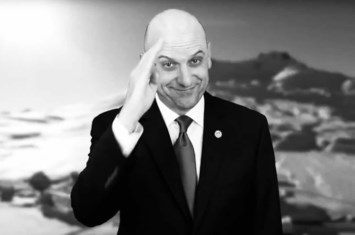
Memorial Service Today for CEO of ICSD

The Deaflympic family bids farewell to Ralph Fernandez US athlete, official and stalwart of the Deaflympic movement.

Ralph Fernandez April 22 1964 – Jan 4 2025

A memorial service will be held at Joseph Gawler’s Sons Funeral Home, 5130 Wisconsin Avenue NW Washington, DC 20016 at 12:00PM in the Grand Hall followed by a light reception in the President Eisenhower Suite from 1:30 until 3:30PM.

Many tributes have been flooding in from around he world to recognise his work and passion.

Obituary

Challenges Facing DeaflympicsGB Sports Ahead of 2025 Deaflympics

As Great Britain and other nations prepare for the 2025 Summer Deaflympics in Tokyo in 306 days time, several challenges emerge, particularly when compared to nations that provide robust governmental recognition and funding for their deaf athletes.

Funding Disparities

In the UK, elite deaf athletes often receive less financial support than their counterparts in the Olympics and Paralympics. This lack of elite funding hinders their access to top-tier training facilities, coaching, and competition opportunities, potentially affecting performance levels. In contrast, countries with substantial government backing can offer their athletes comprehensive support, leading to a more conducive environment for success. Chris Ratcliffe, CEO of UK Deaf Sport explains to the BBC why “We have to fund the Deaflympics Ourselves”

Recognition and Awareness

The Deaflympics historically receive less media coverage and public attention in Great Britain compared to the Olympics and Paralympics. This limited visibility results in fewer sponsorship opportunities and a lack of public support, which are crucial for athlete development and morale. Nations that actively promote deaf sports and celebrate their athletes’ achievements tend to foster a more inclusive sporting culture.

Access to Training Facilities

Deaf athletes in the UK face challenges in accessing training facilities equipped to meet their specific needs. This includes the availability of sign language interpreters and coaches trained to work with deaf athletes. Without adequate facilities and support, athletes may struggle to reach their full potential. In contrast, countries with dedicated resources for deaf athletes can provide tailored training environments that enhance performance. It has been argued that there is coaching talent and experience within the Deaf sports community, that would provide the coaching and technical support required which then reduces the need for expensive interpreting and the deployment of coaches who may be highly qualified but lack the communication skills and cultural essence needed to lead in elite sport.

International Competition Experience

Limited funding and support can restrict opportunities for British deaf athletes to compete internationally, which is vital for gaining experience and improving performance. Regular exposure to international competitions allows athletes to benchmark against top competitors and adapt to different competitive environments. Countries that invest in sending their athletes to international events provide them with invaluable experience that can be advantageous during the Deaflympics.

Advocacy and Policy Support

The level of advocacy and policy support for deaf athletes varies between countries. In the UK, the #FairPlayforDeafAthletes campaign is advocating stronger policies form the Department of Culture, media and Sport that will ensure equal opportunities and support for deaf athletes. The UK may argue that the current economic climate makes it very difficult to provide such funding but this will not stand up against the commitments made by countries such as Ukraine whose resources are also engaged in the heroic defence of their territory in war with Russia.

Addressing these challenges requires a concerted effort from sports governing bodies, policymakers, and the community to ensure that British deaf athletes are adequately supported and prepared to compete on an equal footing with their international counterparts at the 2025 Summer Deaflympics in Tokyo.

Show your support for DeaflympicsGB

Make a donation to support Great Britain’s athletes as they prepare for Tokyo! https://www.justgiving.com/campaign/deaflympicsgb

Ukraine Strengthens Support for Deaflympians

The Ukraine Ministry of Youth and Sport continues to recognise Deaf athletes alongside their Olympic and Paralympic peers.

The Ministry of Youth and Sports of Ukraine has reaffirmed its unwavering commitment to inclusivity in sports by officially recognizing Deaflympians as equals to their Olympic and Paralympic peers. This significant milestone was solidified through Order No. 7742, signed on December 23, 2024, which introduces updated criteria for identifying key enterprises and organizations crucial to the national economy within the field of sports during special periods.

A Milestone in Sports Equality

Under the new directive, the Ministry has explicitly included the development and support of the Deaflympic movement alongside Olympic and Paralympic initiatives. This move ensures that Deaf athletes receive the same level of backing in training, competition, and resource allocation, reinforcing Ukraine’s position as a leader in sports inclusivity.

Key aspects of the approved criteria include:

  • Supporting the development of physical culture and both Olympic and non-Olympic sports in Ukraine.
  • Guaranteeing the execution of events listed in the Unified Calendar of Physical Culture, Sports Events, and Competitions.
  • Providing comprehensive training for national team athletes in sports officially recognized in Ukraine.
  • Implementing anti-doping measures across all sports activities.
  • Organizing and facilitating nationwide physical culture and sports rehabilitation programs for individuals with disabilities, military personnel, and ensuring the operational efficiency of Paralympic and Deaflympic training bases.
Logo of Ukraine Deaf Sport

Advancing Inclusivity in Sports

This landmark decision demonstrates Ukraine’s dedication to fostering an environment where Deaf athletes have equitable opportunities to excel and represent their nation on the world stage. By embedding Deaflympic support into national sports policies, the Ministry is not only investing in athletic excellence but also championing the rights and recognition of athletes with hearing impairments.

As global conversations around inclusivity in sports continue to evolve, Ukraine’s progressive stance serves as a model for other nations striving to create truly inclusive sports environments. This announcement marks a proud moment for the Ukrainian sports community and a promising future for Deaf athletes nationwide.

We celebrate this vital step towards equal recognition and look forward to witnessing Ukraine’s Deaflympians continue to thrive and inspire.

Original Source: https://unn.ua/news/the-ministry-of-youth-and-sports-has-approved-new-criteria-for-the-criticality-of-enterprises-in-the-field-of-sports