Deaflympics media Watch (for 17th November 2025)

Support Assistant

I can help you set up automatic posting to Facebook! You’ll need a Facebook Page (not a personal profile) to connect with your WordPress.com site. Go to Jetpack → Social in your dashboard and click “Connect an account”, then choose Facebook and follow the prompts to connect your Page. Want me to walk you through what happens next?

Perfect! After you connect your Facebook Page, every new blog post you publish will automatically share to Facebook. But you can customize this for each post – when writing a post, click the green Jetpack icon at the top-right and you can toggle sharing on/off, choose which networks to share to, or add a custom message. Ready to try connecting your Facebook Page?

Got it! Let’s troubleshoot this. First, can you check if your Facebook connection is still active? Go to Jetpack → Social and see if your Facebook account shows as connected or if there’s a “Reconnect” button. Also, when you publish a post, do you see the sharing options in the Jetpack panel on the right side of the editor?

That’s frustrating! Let’s check the sharing settings for your posts. When you edit one of your recent posts, look for the Jetpack social sharing panel on the right side – does it show Facebook as enabled for that specific post? Also, are you publishing to a Facebook Page or trying to share to a personal Facebook profile? WordPress.com can only share to Pages, not personal profiles.

Let me help figure this out! Try disconnecting and reconnecting your Facebook Page – go to Jetpack → Social, click the three dots next to your Facebook connection, and select “Disconnect”. Then reconnect it fresh. Sometimes Facebook changes their permissions and a fresh connection fixes the issue. Want to try that and see if your next test post shares properly?

A gold medal landed yesterday. It should have lit up the sports world. Instead, it flickered in the margins.

Indian shooter Dhanush Srikanth claimed gold in the men’s 10 m air rifle at the Tokyo Deaflympics and broke a world record in the process. (The Times of India) Yet the global headlines barely moved.
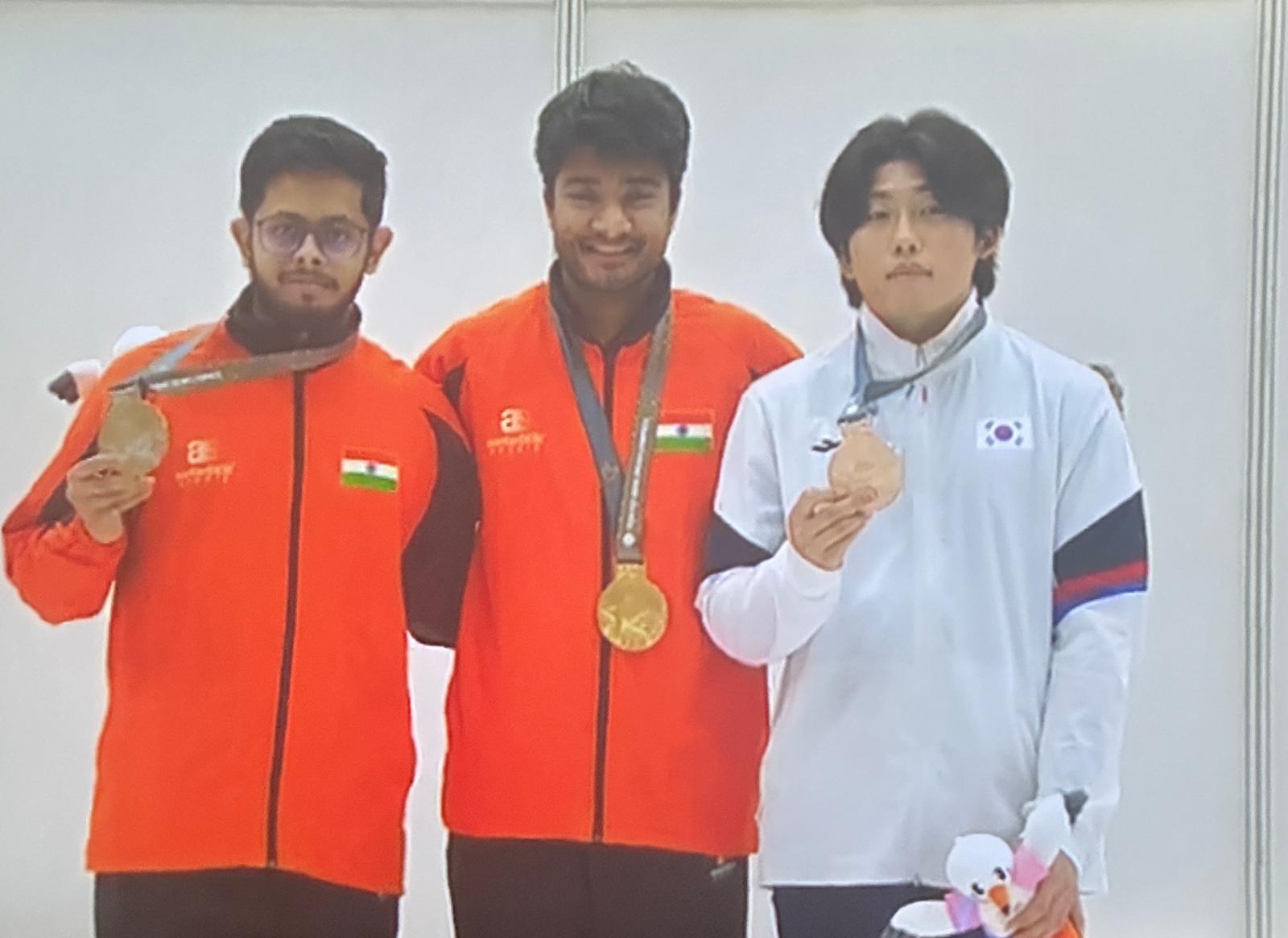
Dhanush Srikanth won gold and broke a world record in the Men’s shooting


In Japan, a local Japanese-language outlet ran a tech/inclusion piece on the Games and the host city’s accessibility strategy — accessible to those digging through Japanese livestreams, but easy for global sports desks to ignore.


And in Latin America, a Spanish-language website celebrated the arrival of the Games with local athletes boarding flights, yet still no major live result coverage.

The UK media ran a strong piece on the funding gap facing Deaflympians, reminding the world that while medals are won recognition is still waiting.


The athletes are winning. The stories are there. But the broadcast and mainstream media radar? Still silent.

The question stands: when record-breaking performances happen, will they get the spotlight they deserve — or will they remain hidden in niche feeds?

What you can do

Watch the action livestreamed on YouTube

Get the results and details on the official website

Mainstream media can get the accreditation they need

Challenges Facing DeaflympicsGB Sports Ahead of 2025 Deaflympics

As Great Britain and other nations prepare for the 2025 Summer Deaflympics in Tokyo in 306 days time, several challenges emerge, particularly when compared to nations that provide robust governmental recognition and funding for their deaf athletes.

Funding Disparities

In the UK, elite deaf athletes often receive less financial support than their counterparts in the Olympics and Paralympics. This lack of elite funding hinders their access to top-tier training facilities, coaching, and competition opportunities, potentially affecting performance levels. In contrast, countries with substantial government backing can offer their athletes comprehensive support, leading to a more conducive environment for success. Chris Ratcliffe, CEO of UK Deaf Sport explains to the BBC why “We have to fund the Deaflympics Ourselves”

Recognition and Awareness

The Deaflympics historically receive less media coverage and public attention in Great Britain compared to the Olympics and Paralympics. This limited visibility results in fewer sponsorship opportunities and a lack of public support, which are crucial for athlete development and morale. Nations that actively promote deaf sports and celebrate their athletes’ achievements tend to foster a more inclusive sporting culture.

Access to Training Facilities

Deaf athletes in the UK face challenges in accessing training facilities equipped to meet their specific needs. This includes the availability of sign language interpreters and coaches trained to work with deaf athletes. Without adequate facilities and support, athletes may struggle to reach their full potential. In contrast, countries with dedicated resources for deaf athletes can provide tailored training environments that enhance performance. It has been argued that there is coaching talent and experience within the Deaf sports community, that would provide the coaching and technical support required which then reduces the need for expensive interpreting and the deployment of coaches who may be highly qualified but lack the communication skills and cultural essence needed to lead in elite sport.

International Competition Experience

Limited funding and support can restrict opportunities for British deaf athletes to compete internationally, which is vital for gaining experience and improving performance. Regular exposure to international competitions allows athletes to benchmark against top competitors and adapt to different competitive environments. Countries that invest in sending their athletes to international events provide them with invaluable experience that can be advantageous during the Deaflympics.

Advocacy and Policy Support

The level of advocacy and policy support for deaf athletes varies between countries. In the UK, the #FairPlayforDeafAthletes campaign is advocating stronger policies form the Department of Culture, media and Sport that will ensure equal opportunities and support for deaf athletes. The UK may argue that the current economic climate makes it very difficult to provide such funding but this will not stand up against the commitments made by countries such as Ukraine whose resources are also engaged in the heroic defence of their territory in war with Russia.

Addressing these challenges requires a concerted effort from sports governing bodies, policymakers, and the community to ensure that British deaf athletes are adequately supported and prepared to compete on an equal footing with their international counterparts at the 2025 Summer Deaflympics in Tokyo.

Show your support for DeaflympicsGB

Make a donation to support Great Britain’s athletes as they prepare for Tokyo! https://www.justgiving.com/campaign/deaflympicsgb

Ukraine Strengthens Support for Deaflympians

The Ukraine Ministry of Youth and Sport continues to recognise Deaf athletes alongside their Olympic and Paralympic peers.

The Ministry of Youth and Sports of Ukraine has reaffirmed its unwavering commitment to inclusivity in sports by officially recognizing Deaflympians as equals to their Olympic and Paralympic peers. This significant milestone was solidified through Order No. 7742, signed on December 23, 2024, which introduces updated criteria for identifying key enterprises and organizations crucial to the national economy within the field of sports during special periods.

A Milestone in Sports Equality

Under the new directive, the Ministry has explicitly included the development and support of the Deaflympic movement alongside Olympic and Paralympic initiatives. This move ensures that Deaf athletes receive the same level of backing in training, competition, and resource allocation, reinforcing Ukraine’s position as a leader in sports inclusivity.

Key aspects of the approved criteria include:

  • Supporting the development of physical culture and both Olympic and non-Olympic sports in Ukraine.
  • Guaranteeing the execution of events listed in the Unified Calendar of Physical Culture, Sports Events, and Competitions.
  • Providing comprehensive training for national team athletes in sports officially recognized in Ukraine.
  • Implementing anti-doping measures across all sports activities.
  • Organizing and facilitating nationwide physical culture and sports rehabilitation programs for individuals with disabilities, military personnel, and ensuring the operational efficiency of Paralympic and Deaflympic training bases.
Logo of Ukraine Deaf Sport

Advancing Inclusivity in Sports

This landmark decision demonstrates Ukraine’s dedication to fostering an environment where Deaf athletes have equitable opportunities to excel and represent their nation on the world stage. By embedding Deaflympic support into national sports policies, the Ministry is not only investing in athletic excellence but also championing the rights and recognition of athletes with hearing impairments.

As global conversations around inclusivity in sports continue to evolve, Ukraine’s progressive stance serves as a model for other nations striving to create truly inclusive sports environments. This announcement marks a proud moment for the Ukrainian sports community and a promising future for Deaf athletes nationwide.

We celebrate this vital step towards equal recognition and look forward to witnessing Ukraine’s Deaflympians continue to thrive and inspire.

Original Source: https://unn.ua/news/the-ministry-of-youth-and-sports-has-approved-new-criteria-for-the-criticality-of-enterprises-in-the-field-of-sports

Fair Play for Deaflympic Athletes: Post-election Alliance Building and Advocacy

“Amidst election preparations, the #FairPlayforDeafAthletes campaign highlights the need for equitable funding, showing significant backing from the British Sign Language community.”

Over the past 6 months there has been an online petition to change the UK government policy to fund Deaflympic athletes that garnered 8,333 signatures, which fell short of the 10,000 needed for a government response and the 100,000 required for a parliamentary debate. This petition closed on the 20th May deadline this week.

Let’s consider the merits of this petition using percentages to better illustrate the support within the context of the UK population and the British Sign Language (BSL) community:

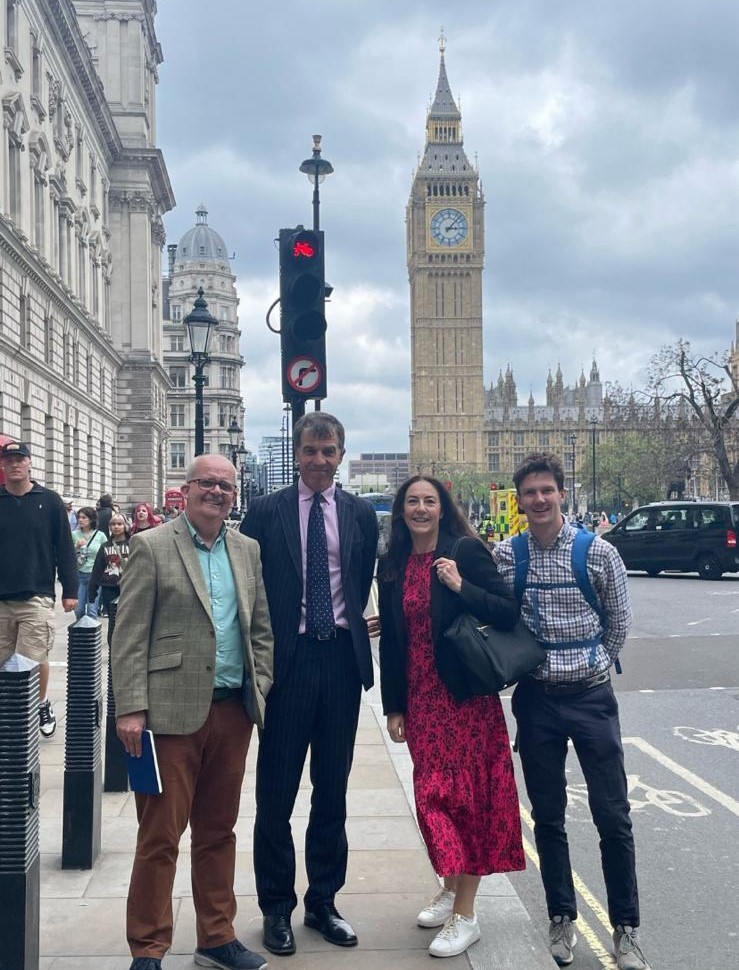
UK Deaf Sport’s delegation to the Sports Minister 13th May 2024

 Proportional Representation and Advocacy

1. Population Context:

   – The UK has a population of approximately 60 million people. Within this population, around 175,000 individuals are sign language users ranging from those who use it as their first language and others who have required it by learning the language and being exposed to and involved in Deaf community activities such as Deaf sport. This group includes deaf, hard of hearing and hearing individuals.

   – The 8,333 signatures represent about 0.014% of the total UK population. This may seem like a small percentage, but it’s more significant when viewed within the context of the BSL community.

   – Within the BSL community, 8,333 signatures equate to roughly 4.8%. This demonstrates a strong level of support and engagement from the BSL community itself.

2. Awareness and Mobilization:

   – The campaign successfully mobilized nearly 5% of the BSL community, indicating a high level of concern and commitment to the issue within this group.

   – However, to reach the thresholds set for government responses or parliamentary debates, the campaign needs to extend its reach beyond the immediate community to garner broader public support.

3. Legitimacy of the Petition:

   – Despite not meeting the required thresholds, the petition shows substantial support from a dedicated community, highlighting the legitimacy and urgency of the issue.

– The 10,000 and 100,000 thresholds are 0.0167% and 0.167% respectively of the UK population

– The 8,333 signatures are 4.8% of the UK’s BSL community.

   – This level of support within a specific community suggests the issue deserves attention and should not be dismissed due to the overall percentage being small in the context of the entire UK population.

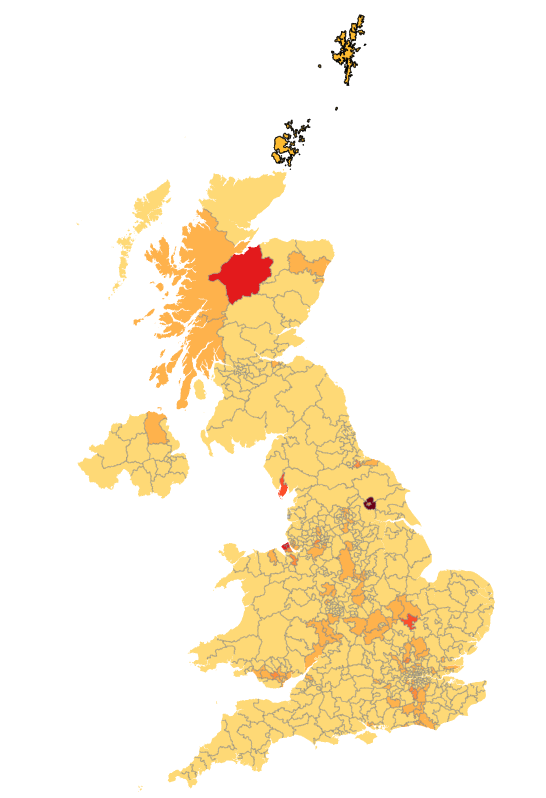
Map from the petition website showing signatures represented EVERY constituency of the UK except one. The darker shading showing signatures with higher % of each area.

 Implications of the Government Shutdown for the General Election due on 4th July 2024

1. Impact on Current Advocacy:

   – With the government shutdown for the General Election campaign, parliamentary activities will be paused, delaying any immediate action on the petition.

   – This period can be challenging for advocacy efforts as the focus shifts to election campaigns.

2. Strategic Opportunities:

   – The election period presents an opportunity to engage with MPs and candidates, pressing them to include support for Deaflympic funding in their election platforms.

   – This can be a strategic moment to bring the issue to the forefront and secure commitments from candidates.

 Options and Next Steps for #FairPlayforDeafAthletes

1. Lobbying and Advocacy:

   – Engage with political candidates and parties to secure pledges of support for Deaflympic funding.

   – Organize meetings, write letters, and use social media to highlight the importance of this cause during the election period. https://ukdeafsport.org.uk/fairplayfordeafathletes/

2. Public Awareness Campaign:

   – Increase the visibility of the campaign through media outreach, collaborations with other advocacy groups, and public demonstrations.

   – Share personal stories of Deaflympic athletes and the impacts of funding shortages to garner public sympathy and support.

3. Future Petitions and Partnerships:

   – Consider launching another petition after the election, with strategies to surpass the required thresholds.

   – Partner with broader disability and sports organizations to expand the support base and increase reach for future petitions.

4. Direct Engagement with Elected Officials:

   – After the election, engage directly with newly elected MPs to advocate for policy changes and secure their commitment to supporting Deaflympic athletes.

   – Identify supportive MPs who can champion the cause within Parliament and help drive policy changes.

Signing Off

While the petition did not meet the required signatures, it demonstrated strong support within the BSL community, representing nearly 5% of this group.

The upcoming election provides a critical opportunity to push the #FairPlayforDeafAthletes agenda by engaging with candidates and raising public awareness.

By leveraging this period strategically and building broader alliances, the campaign can continue to advocate for equitable funding for Deaflympic athletes.

You Tube Interview with LET Winner Diksha Dagar

Interview with Diksha Dagar after her win in the LET Czech Ladies Open 2023

Video Credit: http://bit.ly/LETGolf