Why the Deaflympics Deserves Full Funding: A Call for Equality in Sports

Despite a century of excellence, Deaflympic athletes are still forced to self-fund their participation. It’s time for change.

The Deaflympics Deserve Full Funding and Recognition

The Deaflympics is a world-class sporting event, yet its athletes are forced to self-fund their journey to compete at the highest level. Chris Ratcliffe, CEO of UK Deaf Sport, has highlighted this critical issue in his interview with Matt Taylor for BBC News in the article titled ‘We have to fund the Deaflympics ourselves’, and it is time for the sporting community, corporate sponsors, and government bodies to step up and provide the necessary support. Ratcliffe has been working tirelessly to raise awareness of this issue, and last month, BBC’s Matt Taylor caught up with him to discuss the urgent need for funding and recognition.

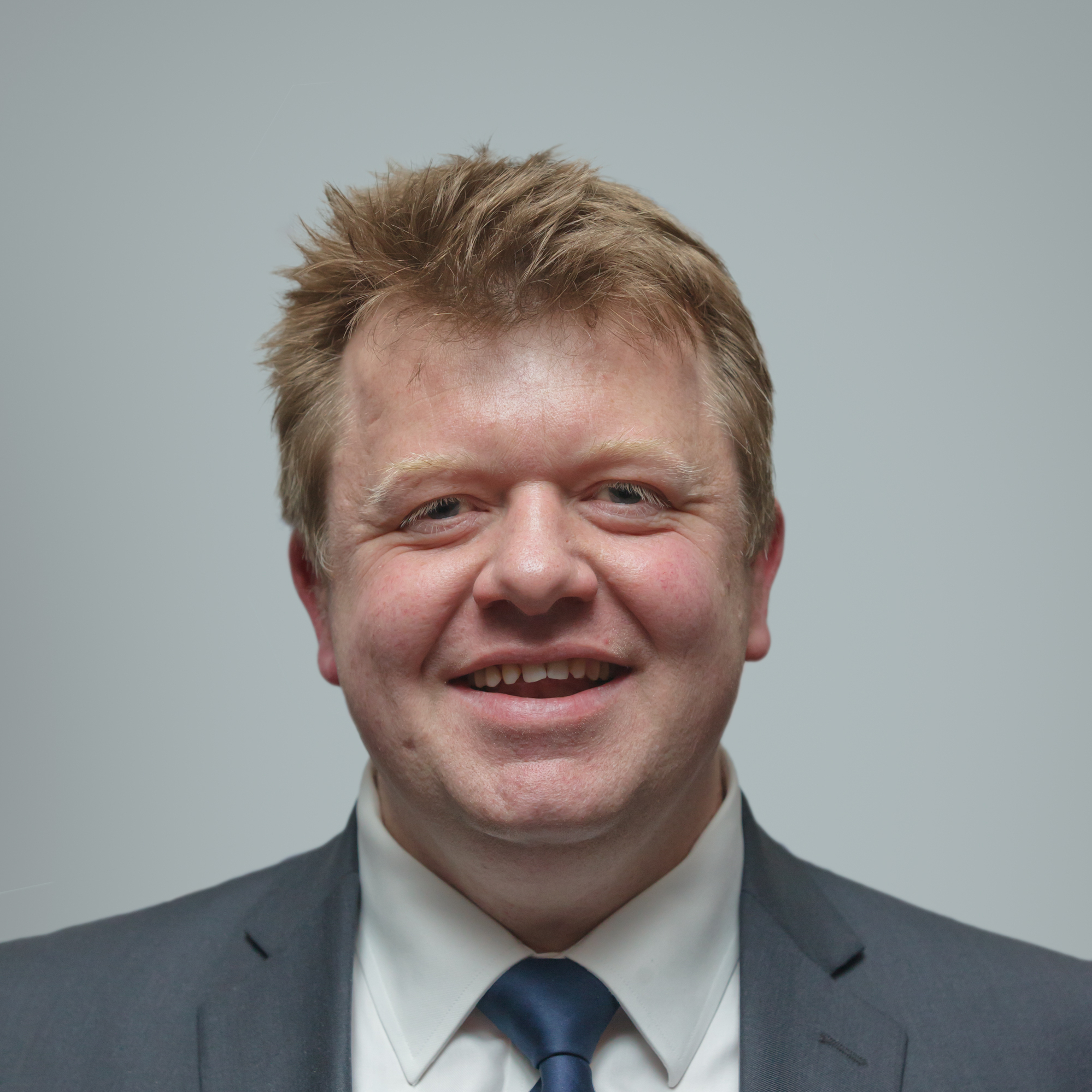
Chris Ratcliffe, CEO, UK Deaf Sport “We have to fund the Deaflympics Ourselves”

Photo Credit: © Mark Lomas 2011.

A Century of Excellence, Yet Still Overlooked

As Matt Taylor reported in his BBC News article, for 100 years, the Deaflympics has provided elite deaf athletes with a platform to compete on a level playing field. Established in 1924, it was the first international sporting event for athletes with disabilities, predating the Paralympics by nearly four decades. Despite this rich history, it remains one of the least recognized global sporting competitions. While Olympic and Paralympic athletes receive direct financial support, their Deaflympic counterparts must raise an estimated £4,000 each to represent Great Britain at the upcoming Tokyo games.

This financial burden places deaf athletes at a significant disadvantage. Many are in full-time education or employment while training at an elite level. The additional stress of securing funding detracts from their preparation and undermines their potential to compete at their best.

The Government’s Role in Funding Equity

The UK government, through Sport England, has provided £1.27 million in funding for UK Deaf Sport until 2027. While this is an important step in supporting grassroots initiatives, it does not directly address the financial struggles of athletes preparing for the Deaflympics. As highlighted in Taylor’s article, the exclusion of Deaflympic athletes from UK Sport funding—reserved for Olympic and Paralympic competitors—suggests a misunderstanding of the event’s elite status and its importance to the deaf community.

The time has come for UK Sport and the Department for Culture, Media and Sport to recognize the Deaflympics as an elite-level competition worthy of direct funding. Elite deaf athletes deserve the same financial backing as their Olympic and Paralympic counterparts. This is not just about funding; it is about equality, representation, and the value we place on all athletes, regardless of how they communicate.

Breaking Barriers and Inspiring the Next Generation

Beyond competition, the Deaflympics serves as a vital tool in breaking down barriers for young deaf athletes. As Ratcliffe noted in Taylor’s piece, studies show that deaf children are twice as likely to be inactive compared to their hearing peers. The lack of visibility and investment in deaf sports contributes to this disparity. If we want to create a truly inclusive sporting culture, funding the Deaflympics must be a priority.

UK Deaf Sport’s Destination Deaflympics campaign is a promising initiative to increase awareness, but awareness alone is not enough. If we want young deaf athletes to see the Deaflympics as a viable goal, we must remove financial obstacles. One way to do this is through corporate sponsorships, media partnerships, and a dedicated government-backed funding stream that ensures no athlete is forced to fund their own participation in an event of this magnitude.

UK Deaf Sports Youth engagement programme

A Call to Action

The Deaflympics embodies the very essence of sport: perseverance, excellence, and inclusivity. Yet, as Taylor’s article makes clear, its athletes continue to be sidelined in the funding conversation. It is time for change.

  • Government bodies must formally recognize the Deaflympics as an elite event and provide direct financial support.
  • Corporate sponsors should step up and back our elite deaf athletes, just as they do for Olympians and Paralympians.
  • The media must give the Deaflympics the attention it deserves, ensuring wider public awareness and engagement.

The Deaflympics should not be an event where only those who can afford it get to compete. Every athlete representing Great Britain on the world stage should do so knowing that their country stands behind them—financially, institutionally, and culturally.

It’s time to fund the Deaflympics properly. Anything less is a failure of our commitment to true sporting equality.

For more details on the politics and history of the Deaflympics read “Same Spirit Different Team”

Challenges Facing DeaflympicsGB Sports Ahead of 2025 Deaflympics

As Great Britain and other nations prepare for the 2025 Summer Deaflympics in Tokyo in 306 days time, several challenges emerge, particularly when compared to nations that provide robust governmental recognition and funding for their deaf athletes.

Funding Disparities

In the UK, elite deaf athletes often receive less financial support than their counterparts in the Olympics and Paralympics. This lack of elite funding hinders their access to top-tier training facilities, coaching, and competition opportunities, potentially affecting performance levels. In contrast, countries with substantial government backing can offer their athletes comprehensive support, leading to a more conducive environment for success. Chris Ratcliffe, CEO of UK Deaf Sport explains to the BBC why “We have to fund the Deaflympics Ourselves”

Recognition and Awareness

The Deaflympics historically receive less media coverage and public attention in Great Britain compared to the Olympics and Paralympics. This limited visibility results in fewer sponsorship opportunities and a lack of public support, which are crucial for athlete development and morale. Nations that actively promote deaf sports and celebrate their athletes’ achievements tend to foster a more inclusive sporting culture.

Access to Training Facilities

Deaf athletes in the UK face challenges in accessing training facilities equipped to meet their specific needs. This includes the availability of sign language interpreters and coaches trained to work with deaf athletes. Without adequate facilities and support, athletes may struggle to reach their full potential. In contrast, countries with dedicated resources for deaf athletes can provide tailored training environments that enhance performance. It has been argued that there is coaching talent and experience within the Deaf sports community, that would provide the coaching and technical support required which then reduces the need for expensive interpreting and the deployment of coaches who may be highly qualified but lack the communication skills and cultural essence needed to lead in elite sport.

International Competition Experience

Limited funding and support can restrict opportunities for British deaf athletes to compete internationally, which is vital for gaining experience and improving performance. Regular exposure to international competitions allows athletes to benchmark against top competitors and adapt to different competitive environments. Countries that invest in sending their athletes to international events provide them with invaluable experience that can be advantageous during the Deaflympics.

Advocacy and Policy Support

The level of advocacy and policy support for deaf athletes varies between countries. In the UK, the #FairPlayforDeafAthletes campaign is advocating stronger policies form the Department of Culture, media and Sport that will ensure equal opportunities and support for deaf athletes. The UK may argue that the current economic climate makes it very difficult to provide such funding but this will not stand up against the commitments made by countries such as Ukraine whose resources are also engaged in the heroic defence of their territory in war with Russia.

Addressing these challenges requires a concerted effort from sports governing bodies, policymakers, and the community to ensure that British deaf athletes are adequately supported and prepared to compete on an equal footing with their international counterparts at the 2025 Summer Deaflympics in Tokyo.

Show your support for DeaflympicsGB

Make a donation to support Great Britain’s athletes as they prepare for Tokyo! https://www.justgiving.com/campaign/deaflympicsgb

Documentary Film Preview: “Watch Us Roar”

A new documentary from BSLBT gives a riveting insight into the GB Women’s Deaf Futsal Team’s 2024 Winter Deaflympics journey

Sign Language version of the article

On July 16th, sports enthusiasts and documentary lovers alike will be treated to a compelling new film, “Watch Us Roar.” This 30-minute, BSLBT- commissioned documentary, produced by Flashing Lights and set to broadcast on BSL Zone, delves deep into the world of the Great Britain Women’s Deaf Futsal team as they navigate the intensity and drama of the Winter Deaflympics in Erzurum, Türkiye, held in March this year. With a storyline that intricately weaves through personal and collective challenges, “Watch Us Roar” promises to be an eye-opener on multiple fronts. Indeed, this documentary comes with a trigger warning at the beginning.

The documentary sheds light on the daunting decisions and mounting tensions the team faces, particularly against the backdrop of the Department for Digital, Culture, Media and Sport (DCMS) decision to withhold funding for Deaflympic sports. This year, marking the 100th anniversary of the Deaflympic Games, is particularly significant as it was the first time Futsal was included in the competition. The lack of financial support forces both the team management to take calculated risks, and the footballers to divert their focus from crucial preparations to fundraising efforts. This narrative thread underscores the stark realities and emotional toll of competing at such high stakes without adequate support.

One of the central figures in “Watch Us Roar” is Marios Costi, the team’s head coach. The film offers an intimate look at his tactical skills and the emotional depth of his coaching style, which many viewers might find unexpectedly intense by contemporary standards. Costi’s vulnerability and passion are laid bare, presenting a multifaceted view of a coach under pressure. His approach culminates in a dramatic and candid team meeting, where players are invited to express their honest thoughts and feelings, leading to explosive tensions and significant fallouts.

On top of the gripping narrative surrounding the team as a whole, “Watch Us Roar” also delves into the personal journeys of three key players, adding a deeply private dimension to the documentary. By following these athletes closely, the film provides intimate insights into their individual struggles, triumphs, and motivations. This personal focus encourages viewers to connect on a more emotional level with the team, fostering a sense of empathy and support. Through their stories, the audience is invited to not only witness the collective challenges of the team but also to champion the personal adventures of these remarkable women as they strive to achieve their dreams on the world stage.

“Watch Us Roar” does more than just document a sports team’s journey; it provides an unfiltered look into the dynamics of teamwork, the strains of underfunding, and the raw emotions that fuel athletic competition. Deaflympians represent Great Britain at the Winter and Summer Deaflympics under the banner of DeaflympicsGB, authorized by UK Deaf Sport. The documentary is essential viewing for anyone who enjoys sports and is curious about the often-unseen drama of team meetings and behind-the-scenes preparations during major competitions.

Mark your calendars for July 16th – “Watch Us Roar” is a must-watch that will leave you with a profound appreciation for the resilience and spirit of the Great Britain Women’s Deaf Futsal team.

Follow the BSL Zone and get ready for the documentary on 16th July 2024.

Fair Play for Deaflympic Athletes: Post-election Alliance Building and Advocacy

“Amidst election preparations, the #FairPlayforDeafAthletes campaign highlights the need for equitable funding, showing significant backing from the British Sign Language community.”

Over the past 6 months there has been an online petition to change the UK government policy to fund Deaflympic athletes that garnered 8,333 signatures, which fell short of the 10,000 needed for a government response and the 100,000 required for a parliamentary debate. This petition closed on the 20th May deadline this week.

Let’s consider the merits of this petition using percentages to better illustrate the support within the context of the UK population and the British Sign Language (BSL) community:

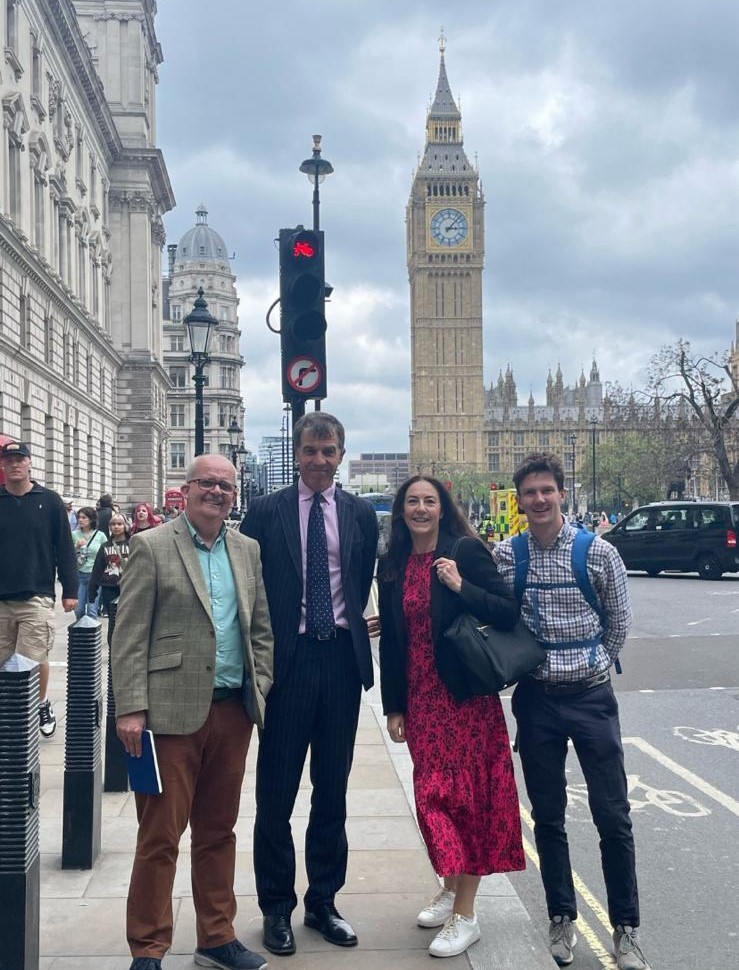
UK Deaf Sport’s delegation to the Sports Minister 13th May 2024

 Proportional Representation and Advocacy

1. Population Context:

   – The UK has a population of approximately 60 million people. Within this population, around 175,000 individuals are sign language users ranging from those who use it as their first language and others who have required it by learning the language and being exposed to and involved in Deaf community activities such as Deaf sport. This group includes deaf, hard of hearing and hearing individuals.

   – The 8,333 signatures represent about 0.014% of the total UK population. This may seem like a small percentage, but it’s more significant when viewed within the context of the BSL community.

   – Within the BSL community, 8,333 signatures equate to roughly 4.8%. This demonstrates a strong level of support and engagement from the BSL community itself.

2. Awareness and Mobilization:

   – The campaign successfully mobilized nearly 5% of the BSL community, indicating a high level of concern and commitment to the issue within this group.

   – However, to reach the thresholds set for government responses or parliamentary debates, the campaign needs to extend its reach beyond the immediate community to garner broader public support.

3. Legitimacy of the Petition:

   – Despite not meeting the required thresholds, the petition shows substantial support from a dedicated community, highlighting the legitimacy and urgency of the issue.

– The 10,000 and 100,000 thresholds are 0.0167% and 0.167% respectively of the UK population

– The 8,333 signatures are 4.8% of the UK’s BSL community.

   – This level of support within a specific community suggests the issue deserves attention and should not be dismissed due to the overall percentage being small in the context of the entire UK population.

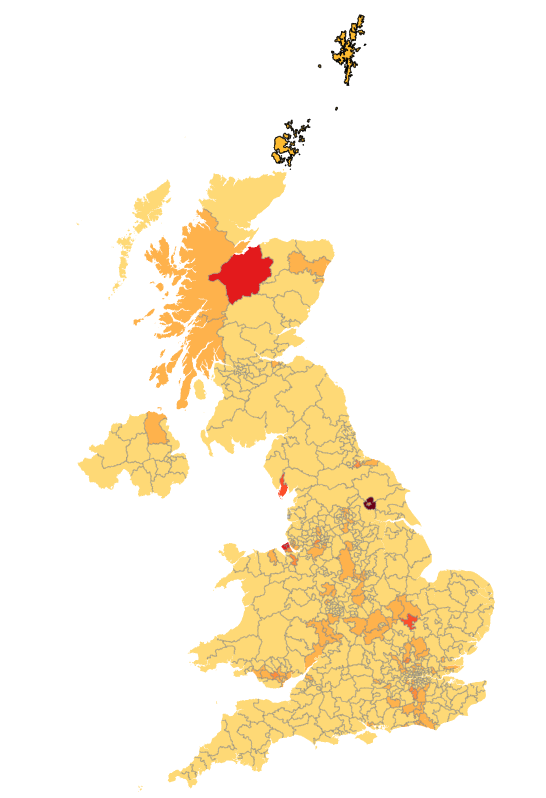
Map from the petition website showing signatures represented EVERY constituency of the UK except one. The darker shading showing signatures with higher % of each area.

 Implications of the Government Shutdown for the General Election due on 4th July 2024

1. Impact on Current Advocacy:

   – With the government shutdown for the General Election campaign, parliamentary activities will be paused, delaying any immediate action on the petition.

   – This period can be challenging for advocacy efforts as the focus shifts to election campaigns.

2. Strategic Opportunities:

   – The election period presents an opportunity to engage with MPs and candidates, pressing them to include support for Deaflympic funding in their election platforms.

   – This can be a strategic moment to bring the issue to the forefront and secure commitments from candidates.

 Options and Next Steps for #FairPlayforDeafAthletes

1. Lobbying and Advocacy:

   – Engage with political candidates and parties to secure pledges of support for Deaflympic funding.

   – Organize meetings, write letters, and use social media to highlight the importance of this cause during the election period. https://ukdeafsport.org.uk/fairplayfordeafathletes/

2. Public Awareness Campaign:

   – Increase the visibility of the campaign through media outreach, collaborations with other advocacy groups, and public demonstrations.

   – Share personal stories of Deaflympic athletes and the impacts of funding shortages to garner public sympathy and support.

3. Future Petitions and Partnerships:

   – Consider launching another petition after the election, with strategies to surpass the required thresholds.

   – Partner with broader disability and sports organizations to expand the support base and increase reach for future petitions.

4. Direct Engagement with Elected Officials:

   – After the election, engage directly with newly elected MPs to advocate for policy changes and secure their commitment to supporting Deaflympic athletes.

   – Identify supportive MPs who can champion the cause within Parliament and help drive policy changes.

Signing Off

While the petition did not meet the required signatures, it demonstrated strong support within the BSL community, representing nearly 5% of this group.

The upcoming election provides a critical opportunity to push the #FairPlayforDeafAthletes agenda by engaging with candidates and raising public awareness.

By leveraging this period strategically and building broader alliances, the campaign can continue to advocate for equitable funding for Deaflympic athletes.

ICSD Accused of Double Standards with Anti-Doping Regulations

Observers at the World Deaf Short Course Swimming Championships are wondering why the event organisers have not arranged anti-doping testing for the swimmers whilst also declaring the IDBF of non-compliance.

Photo by Christof Niklaus

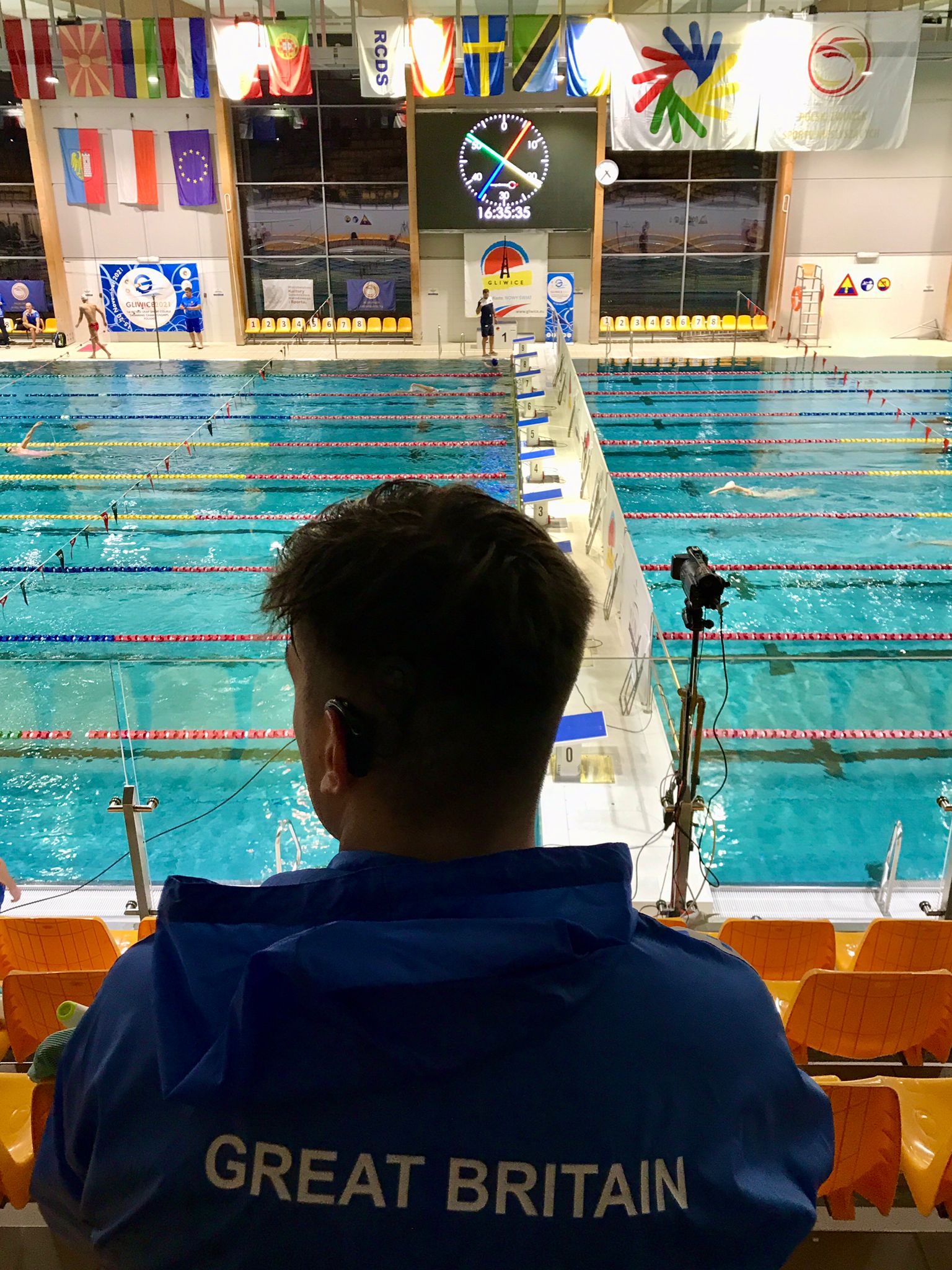
Christof Niklaus, former ICSD Technical Director for Football has been observing events at the 1st World Deaf Short Course Swimming Championships taking place in Poland this week and he has reported his concerns to WADA (World Anti Doping Agency) because there have been no doping tests.

Christof Niklaus, GB swimming official at WDSCSC 2021 (photo by Christof Niklaus)

Christof is at the event as GB’s technical officer supporting swimmer Nathan Young. His complaint comes as the ICSD has released a statement this week declaring DIBF (Deaf International Basketball Federation) non-compliant with the World Anti-Doping Code. This means that players and officials of the DIBF are not allowed to hold office or take part in competitions (regional and international) until they make arrangement to meet WADA requirements.

What is worrying Christof is that the Russian swimmers are ‘dominating in all events with no testing to provide confidence in their performances’

The question is how ICSD can remain compliant to the WADA code if it is allowing a sanctioned event to take place without doping testing. ICSD’s lack of control and compliance is due to its lack of support to Deaf sport federations with ‘historical under-resourcing and under-education.’

A WADA representative has quickly responded to Christof by email ‘we are fully committed to supporting DIBF, and ICSD, in making sure that the protection of clean deaf athletes is safeguarded, and strengthen if needed, at all times.’

Christof is picking up ‘word here in Poland of collusion between ICSD and Russia, to avoid having the Russian team be the subject of anti-doping tests.’ He has asked WADA to pass this information on to its own Intelligence & Investigations team. There remains a serious conflict of interest as the ICSD Executive Officer Dmitry Rebrov also remains Secretary General of the All-Russian Sports Federation of Deaf Sport.

WADA sent another reply to this news ‘Your email has been taken very seriously and already been forwarded to the relevant departments of WADA for follow up. We are also following up very closely the situation at DIBF which has been provided all the necessary support over the past few months.’

Photo by Christof Niklaus

Christof’s role in Poland is to function as official support and representative for GB’s only entrant Nathan Young who has been sharing his frustrations that there is still a lack of performance funding for Deaflympic athletes in the UK and blames the DCMS, Sport England and UK Sport for ignoring them.

Christof and Nathan at WDSCSC 2021
(Photo by Christof Niklaus)