MPs Back Call for Deaflympics Funding Parity Following #FairPlayForDeafAthletes Campaign

Following the success of British athletes at the Tokyo Deaflympics, MPs on the Culture, Media and Sport Committee have formally recommended that the Government fund elite Deaf sport and recognise the Deaflympics on the same basis as the Olympics and Paralympics.

While this does not yet represent full Parliamentary backing, it is a significant step forward for UK Deaf Sport’s #FairPlayForDeafAthletes campaign.

At Two Big Ears, we welcome this intervention — and we are clear about what must come next.

Deaflympians excluded from public funding

In its letter to the Secretary of State, the Committee states:

“Elite deaf athletes in the UK are the only disabled elite sports group that has no access to public funding whatsoever.”

Despite competing at the highest international level, Deaflympians:

  • Receive no UK Sport funding
  • Have no lottery-backed performance pathway
  • Must self-fund training, coaching, travel, physio and kit

This exclusion is not accidental. It is a long-standing policy gap.

Deaflympics recognised as part of the Olympic family

The Committee also makes clear that Deaf sport is already part of the recognised elite system:

“The Deaflympics [are] part of the Olympic family and the only games in which there is a classification for deaf people.”

This directly challenges the idea that Deaflympians sit outside elite sport structures.

Tokyo Deaflympics: success despite the system

MPs highlighted the reality faced by Deaf athletes preparing for Tokyo:

“To take part, our deaf athletes have to continuously raise money for training fees, travel, physio and kit.”

“For Tokyo, the 65 UK athletes who took part had to raise £250,000 between them, just to enable them to represent this country.”

All of this happened while athletes were training for elite competition and working or studying full time.

The conclusion was clear: Deaf athletes succeed in spite of the system, not because of it.

The funding ask — and why it is modest

UK Deaf Sport estimates that:

“£3 million [is needed] to prepare a team through the next full cycle, ready for the 2029 Deaflympics.”

The Committee noted:

“That is less than 1% of what UK Sport has awarded for the Olympics and Paralympics in one Olympic cycle.”

This is not an excessive demand. It is a proportionate request for equality.

Committee recommendation, not yet a Parliamentary vote

The Committee is explicit about what it is asking Government to do:

“Commit, via UK Sport, to £3 million of funding now for elite deaf sport in the current Deaflympics cycle.”

“Permanently recognise the Deaflympics in the same way you do for the Paralympic and Olympic Games for funding purposes.”

This is a formal recommendation. It now requires:

  • Government acceptance
  • A funding decision
  • Political will to act

Two Big Ears: fair play must mean fair funding

As the Committee concludes:

“The Deaflympians who represented our country on the global stage… deserve an equal opportunity.”

The #FairPlayForDeafAthletes campaign has now been reinforced by Parliamentary scrutiny.

The evidence has been heard.
The recommendation has been made.

Now the Government must decide whether it will act.

“What Happens Next?” – Simple Explainer

Where we are now

  • The Culture, Media and Sport Committee has reviewed evidence
  • It has written formally to the Secretary of State
  • It has recommended £3 million in funding and permanent recognition of the Deaflympics

What this does NOT mean

  • This is not yet a vote of Parliament
  • Funding is not yet agreed
  • Policy has not yet changed

What must happen next

  1. The Government responds to the Committee
  2. Ministers decide whether to accept the recommendation
  3. UK Sport is instructed (or not) to release funding
  4. Longer-term recognition is agreed or rejected

Why this matters
Committee recommendations carry political weight.
Ignoring them requires justification.

This is the strongest position Deaf sport has held in UK policy discussions to date.

Read the full article on the UK Parliament website

Deaflympics Media Watch (16 November 2025)

Data collected 0900 JST 16-Nov-2025

The Games are underway — but you’d hardly know it from the world’s sports desks.

Today should have been the moment the headlines shifted from warm-up stories to actual competition: goals scored, medals won, shocks, heroics, heartbreak. Instead? Silence. And not the Deaf kind. The media kind.

Yes, the results exist. They’re sitting quietly on the official Tokyo 2025 website. They’re in federation match reports — like the USA Deaf Women smashing Japan 5–0, or the Ukrainian men putting five past the US team. They’re hidden in Japanese corporate updates and athlete sponsor pages. The wrestling brackets are fully up. The schedules are live. The data is there.

Japan Today reported on members of the imperial family in attendance at the Opening Ceremony. (Image: POOL via ZUMA press Wire)

But where are the stories?

Where is the mainstream “Day 1 at the Deaflympics”?
Where is the BBC Sport medal table ticker?
Where is the ESPN highlight reel?
Where is even one big newsroom saying “Here’s what happened today”?

This is the pattern we’re exposing: if a Deaf athlete wins, you have to dig through official PDFs and federation pages to find out. The world’s sports media aren’t telling the story. Not yet. Media access information

And that’s exactly why we’re watching.
Exactly why we’re documenting this gap.
Exactly why we’re doing this work.

Because the athletes are competing.
The results are happening.
The moments are real.
The coverage should be too.

Real sport with real results, ignored by real newsrooms.

All the details are here on the official Deaflympics2025 website

Live action via You Tube

Combined Mainstream Media Watch of Deaflympics 14 + 15 November

The Deaflympics are here — and the world is making noise in short, unexpected bursts.

Every day at 0900 JST we will make a round up of the previous days media coverage.

Day 0 gave us warm send-offs, big squads and small victories in visibility.
Olympics.com lit the match with a 111-strong team and one of the best flagbearer stories you’ll read this year. South Africa rolled out its Deaflympic history like a flex. Japan finally joined the conversation, proudly talking Deaf culture, sign language and tech that lets you see sound. Taiwan kept it sweet and simple with one perfect airport selfie.

Day 1 hit a different gear.
The Japan Times stepped up with a thoughtful, detailed feature that actually treated Deaf athletes like elite competitors, not curiosities. The World spotlighted the Deaflympics turning 100 — a message so obvious you wonder why broadcasters keep ignoring it. And then, at last, a shift: Yahoo Sports published a “how to watch” guide for free live streams. Not a TV revolution, but it’s a start.

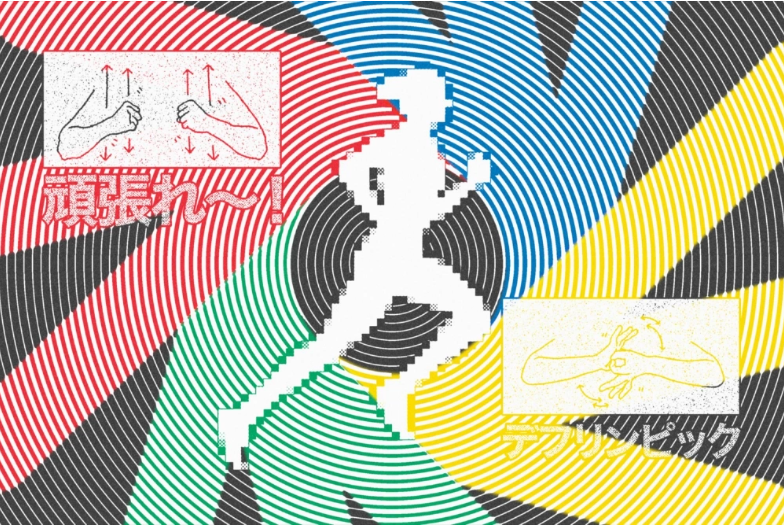
Illustration featured in Japan Times

Across two days, one thing is crystal clear:
The written coverage is showing up. The broadcasters? Still stretching in the warm-up area.

But the athletes are already on the track. And they’re not waiting.

Combined takeaway

Two days in, the Deaflympics are shining loudest in written media.
The athletes are visible. The culture is visible.
Sign language is visible.
The broadcasters, though? Still playing hide-and-seek.

But the flame is lit — and the story is beginning to grow, we have read that NHK will broadcast the Opening and Closing ceremonies live, so we will report on that claim tomorrow.

Previous Mainstream Media Coverage This Week

In a brief yet significant segment, BBC Breakfast showcased members of the UK Deaflympics team ahead of their departure to Tokyo, highlighting the athletes’ rigorous preparation and the historic nature of this year’s Games. The piece emphasised the pride of representing Deaf sport on the world stage and touched on the broader issues of visibility and recognition for Deaf athletes — though the focus remained largely on inspirational narrative rather than deeper media-rights or coverage-strategy questions.

And an earlier but still recent piece from the UK parliament’s Culture, Media & Sport Committee outlining that MPs have written to broadcasters over the absence of planned coverage for the Deaflympics.

You Can Help!

Do you know of any other mainstream media coverage of the Deaflympics 2025 – send us a link with the reply button

Ukraine Strengthens Support for Deaflympians

The Ukraine Ministry of Youth and Sport continues to recognise Deaf athletes alongside their Olympic and Paralympic peers.

The Ministry of Youth and Sports of Ukraine has reaffirmed its unwavering commitment to inclusivity in sports by officially recognizing Deaflympians as equals to their Olympic and Paralympic peers. This significant milestone was solidified through Order No. 7742, signed on December 23, 2024, which introduces updated criteria for identifying key enterprises and organizations crucial to the national economy within the field of sports during special periods.

A Milestone in Sports Equality

Under the new directive, the Ministry has explicitly included the development and support of the Deaflympic movement alongside Olympic and Paralympic initiatives. This move ensures that Deaf athletes receive the same level of backing in training, competition, and resource allocation, reinforcing Ukraine’s position as a leader in sports inclusivity.

Key aspects of the approved criteria include:

  • Supporting the development of physical culture and both Olympic and non-Olympic sports in Ukraine.
  • Guaranteeing the execution of events listed in the Unified Calendar of Physical Culture, Sports Events, and Competitions.
  • Providing comprehensive training for national team athletes in sports officially recognized in Ukraine.
  • Implementing anti-doping measures across all sports activities.
  • Organizing and facilitating nationwide physical culture and sports rehabilitation programs for individuals with disabilities, military personnel, and ensuring the operational efficiency of Paralympic and Deaflympic training bases.
Logo of Ukraine Deaf Sport

Advancing Inclusivity in Sports

This landmark decision demonstrates Ukraine’s dedication to fostering an environment where Deaf athletes have equitable opportunities to excel and represent their nation on the world stage. By embedding Deaflympic support into national sports policies, the Ministry is not only investing in athletic excellence but also championing the rights and recognition of athletes with hearing impairments.

As global conversations around inclusivity in sports continue to evolve, Ukraine’s progressive stance serves as a model for other nations striving to create truly inclusive sports environments. This announcement marks a proud moment for the Ukrainian sports community and a promising future for Deaf athletes nationwide.

We celebrate this vital step towards equal recognition and look forward to witnessing Ukraine’s Deaflympians continue to thrive and inspire.

Original Source: https://unn.ua/news/the-ministry-of-youth-and-sports-has-approved-new-criteria-for-the-criticality-of-enterprises-in-the-field-of-sports

Documentary Film Preview: “Watch Us Roar”

A new documentary from BSLBT gives a riveting insight into the GB Women’s Deaf Futsal Team’s 2024 Winter Deaflympics journey

Sign Language version of the article

On July 16th, sports enthusiasts and documentary lovers alike will be treated to a compelling new film, “Watch Us Roar.” This 30-minute, BSLBT- commissioned documentary, produced by Flashing Lights and set to broadcast on BSL Zone, delves deep into the world of the Great Britain Women’s Deaf Futsal team as they navigate the intensity and drama of the Winter Deaflympics in Erzurum, Türkiye, held in March this year. With a storyline that intricately weaves through personal and collective challenges, “Watch Us Roar” promises to be an eye-opener on multiple fronts. Indeed, this documentary comes with a trigger warning at the beginning.

The documentary sheds light on the daunting decisions and mounting tensions the team faces, particularly against the backdrop of the Department for Digital, Culture, Media and Sport (DCMS) decision to withhold funding for Deaflympic sports. This year, marking the 100th anniversary of the Deaflympic Games, is particularly significant as it was the first time Futsal was included in the competition. The lack of financial support forces both the team management to take calculated risks, and the footballers to divert their focus from crucial preparations to fundraising efforts. This narrative thread underscores the stark realities and emotional toll of competing at such high stakes without adequate support.

One of the central figures in “Watch Us Roar” is Marios Costi, the team’s head coach. The film offers an intimate look at his tactical skills and the emotional depth of his coaching style, which many viewers might find unexpectedly intense by contemporary standards. Costi’s vulnerability and passion are laid bare, presenting a multifaceted view of a coach under pressure. His approach culminates in a dramatic and candid team meeting, where players are invited to express their honest thoughts and feelings, leading to explosive tensions and significant fallouts.

On top of the gripping narrative surrounding the team as a whole, “Watch Us Roar” also delves into the personal journeys of three key players, adding a deeply private dimension to the documentary. By following these athletes closely, the film provides intimate insights into their individual struggles, triumphs, and motivations. This personal focus encourages viewers to connect on a more emotional level with the team, fostering a sense of empathy and support. Through their stories, the audience is invited to not only witness the collective challenges of the team but also to champion the personal adventures of these remarkable women as they strive to achieve their dreams on the world stage.

“Watch Us Roar” does more than just document a sports team’s journey; it provides an unfiltered look into the dynamics of teamwork, the strains of underfunding, and the raw emotions that fuel athletic competition. Deaflympians represent Great Britain at the Winter and Summer Deaflympics under the banner of DeaflympicsGB, authorized by UK Deaf Sport. The documentary is essential viewing for anyone who enjoys sports and is curious about the often-unseen drama of team meetings and behind-the-scenes preparations during major competitions.

Mark your calendars for July 16th – “Watch Us Roar” is a must-watch that will leave you with a profound appreciation for the resilience and spirit of the Great Britain Women’s Deaf Futsal team.

Follow the BSL Zone and get ready for the documentary on 16th July 2024.

Fair Play for Deaflympic Athletes: Post-election Alliance Building and Advocacy

“Amidst election preparations, the #FairPlayforDeafAthletes campaign highlights the need for equitable funding, showing significant backing from the British Sign Language community.”

Over the past 6 months there has been an online petition to change the UK government policy to fund Deaflympic athletes that garnered 8,333 signatures, which fell short of the 10,000 needed for a government response and the 100,000 required for a parliamentary debate. This petition closed on the 20th May deadline this week.

Let’s consider the merits of this petition using percentages to better illustrate the support within the context of the UK population and the British Sign Language (BSL) community:

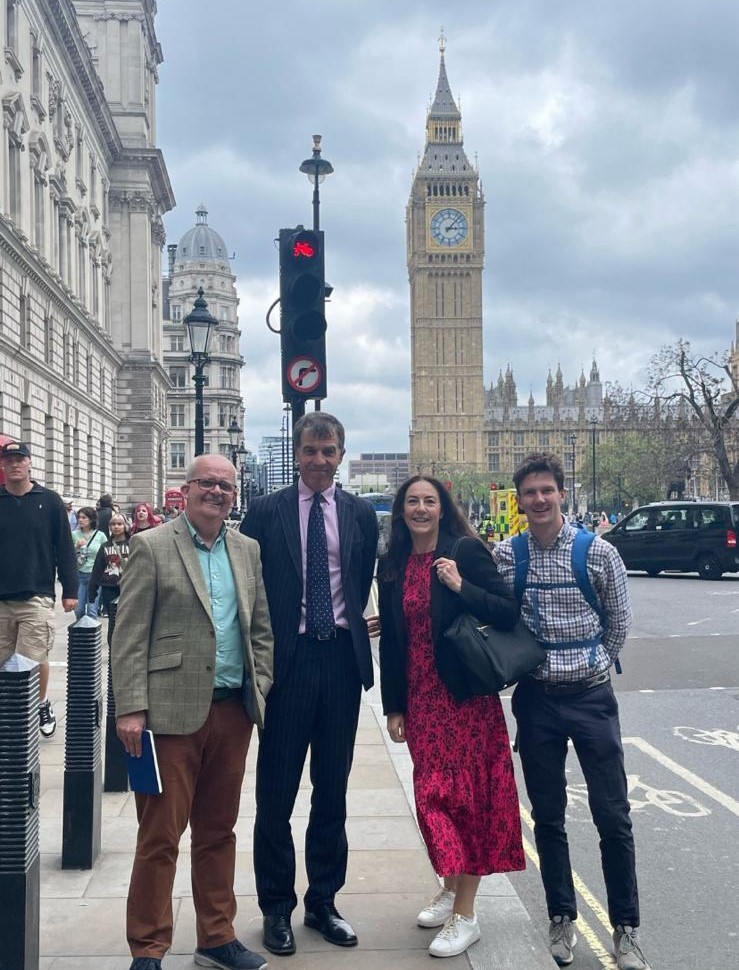
UK Deaf Sport’s delegation to the Sports Minister 13th May 2024

 Proportional Representation and Advocacy

1. Population Context:

   – The UK has a population of approximately 60 million people. Within this population, around 175,000 individuals are sign language users ranging from those who use it as their first language and others who have required it by learning the language and being exposed to and involved in Deaf community activities such as Deaf sport. This group includes deaf, hard of hearing and hearing individuals.

   – The 8,333 signatures represent about 0.014% of the total UK population. This may seem like a small percentage, but it’s more significant when viewed within the context of the BSL community.

   – Within the BSL community, 8,333 signatures equate to roughly 4.8%. This demonstrates a strong level of support and engagement from the BSL community itself.

2. Awareness and Mobilization:

   – The campaign successfully mobilized nearly 5% of the BSL community, indicating a high level of concern and commitment to the issue within this group.

   – However, to reach the thresholds set for government responses or parliamentary debates, the campaign needs to extend its reach beyond the immediate community to garner broader public support.

3. Legitimacy of the Petition:

   – Despite not meeting the required thresholds, the petition shows substantial support from a dedicated community, highlighting the legitimacy and urgency of the issue.

– The 10,000 and 100,000 thresholds are 0.0167% and 0.167% respectively of the UK population

– The 8,333 signatures are 4.8% of the UK’s BSL community.

   – This level of support within a specific community suggests the issue deserves attention and should not be dismissed due to the overall percentage being small in the context of the entire UK population.

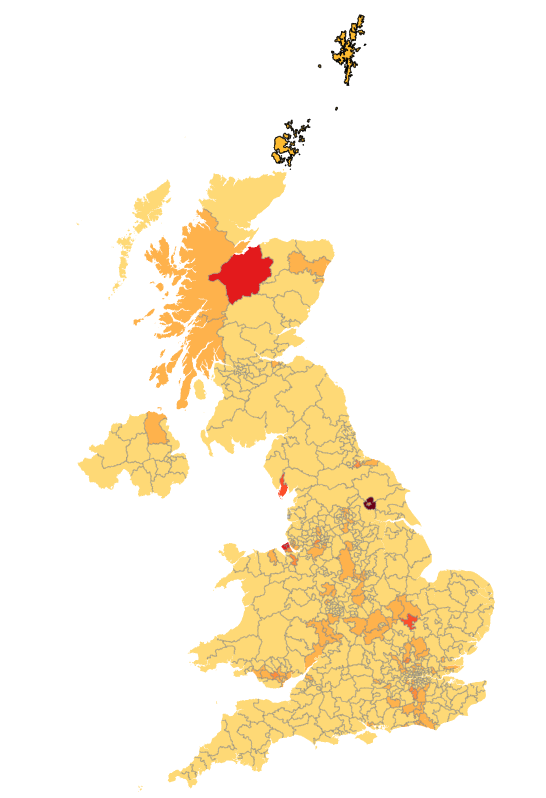
Map from the petition website showing signatures represented EVERY constituency of the UK except one. The darker shading showing signatures with higher % of each area.

 Implications of the Government Shutdown for the General Election due on 4th July 2024

1. Impact on Current Advocacy:

   – With the government shutdown for the General Election campaign, parliamentary activities will be paused, delaying any immediate action on the petition.

   – This period can be challenging for advocacy efforts as the focus shifts to election campaigns.

2. Strategic Opportunities:

   – The election period presents an opportunity to engage with MPs and candidates, pressing them to include support for Deaflympic funding in their election platforms.

   – This can be a strategic moment to bring the issue to the forefront and secure commitments from candidates.

 Options and Next Steps for #FairPlayforDeafAthletes

1. Lobbying and Advocacy:

   – Engage with political candidates and parties to secure pledges of support for Deaflympic funding.

   – Organize meetings, write letters, and use social media to highlight the importance of this cause during the election period. https://ukdeafsport.org.uk/fairplayfordeafathletes/

2. Public Awareness Campaign:

   – Increase the visibility of the campaign through media outreach, collaborations with other advocacy groups, and public demonstrations.

   – Share personal stories of Deaflympic athletes and the impacts of funding shortages to garner public sympathy and support.

3. Future Petitions and Partnerships:

   – Consider launching another petition after the election, with strategies to surpass the required thresholds.

   – Partner with broader disability and sports organizations to expand the support base and increase reach for future petitions.

4. Direct Engagement with Elected Officials:

   – After the election, engage directly with newly elected MPs to advocate for policy changes and secure their commitment to supporting Deaflympic athletes.

   – Identify supportive MPs who can champion the cause within Parliament and help drive policy changes.

Signing Off

While the petition did not meet the required signatures, it demonstrated strong support within the BSL community, representing nearly 5% of this group.

The upcoming election provides a critical opportunity to push the #FairPlayforDeafAthletes agenda by engaging with candidates and raising public awareness.

By leveraging this period strategically and building broader alliances, the campaign can continue to advocate for equitable funding for Deaflympic athletes.