Why the Deaflympics Deserves Full Funding: A Call for Equality in Sports

Despite a century of excellence, Deaflympic athletes are still forced to self-fund their participation. It’s time for change.

The Deaflympics Deserve Full Funding and Recognition

The Deaflympics is a world-class sporting event, yet its athletes are forced to self-fund their journey to compete at the highest level. Chris Ratcliffe, CEO of UK Deaf Sport, has highlighted this critical issue in his interview with Matt Taylor for BBC News in the article titled ‘We have to fund the Deaflympics ourselves’, and it is time for the sporting community, corporate sponsors, and government bodies to step up and provide the necessary support. Ratcliffe has been working tirelessly to raise awareness of this issue, and last month, BBC’s Matt Taylor caught up with him to discuss the urgent need for funding and recognition.
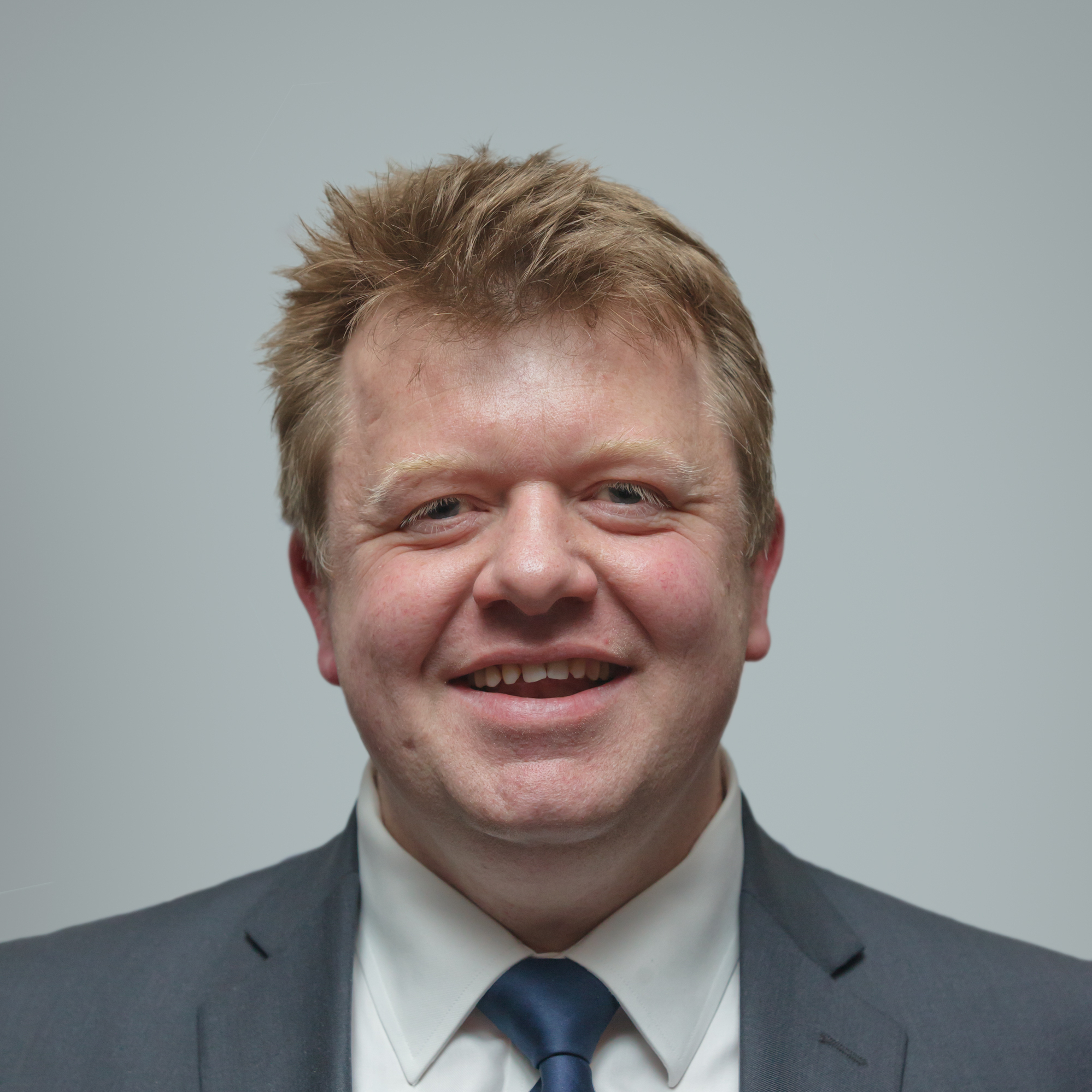
Chris Ratcliffe, CEO, UK Deaf Sport “We have to fund the Deaflympics Ourselves”

Photo Credit: © Mark Lomas 2011.

A Century of Excellence, Yet Still Overlooked

As Matt Taylor reported in his BBC News article, for 100 years, the Deaflympics has provided elite deaf athletes with a platform to compete on a level playing field. Established in 1924, it was the first international sporting event for athletes with disabilities, predating the Paralympics by nearly four decades. Despite this rich history, it remains one of the least recognized global sporting competitions. While Olympic and Paralympic athletes receive direct financial support, their Deaflympic counterparts must raise an estimated £4,000 each to represent Great Britain at the upcoming Tokyo games.

This financial burden places deaf athletes at a significant disadvantage. Many are in full-time education or employment while training at an elite level. The additional stress of securing funding detracts from their preparation and undermines their potential to compete at their best.

The Government’s Role in Funding Equity

The UK government, through Sport England, has provided £1.27 million in funding for UK Deaf Sport until 2027. While this is an important step in supporting grassroots initiatives, it does not directly address the financial struggles of athletes preparing for the Deaflympics. As highlighted in Taylor’s article, the exclusion of Deaflympic athletes from UK Sport funding—reserved for Olympic and Paralympic competitors—suggests a misunderstanding of the event’s elite status and its importance to the deaf community.

The time has come for UK Sport and the Department for Culture, Media and Sport to recognize the Deaflympics as an elite-level competition worthy of direct funding. Elite deaf athletes deserve the same financial backing as their Olympic and Paralympic counterparts. This is not just about funding; it is about equality, representation, and the value we place on all athletes, regardless of how they communicate.

Breaking Barriers and Inspiring the Next Generation

Beyond competition, the Deaflympics serves as a vital tool in breaking down barriers for young deaf athletes. As Ratcliffe noted in Taylor’s piece, studies show that deaf children are twice as likely to be inactive compared to their hearing peers. The lack of visibility and investment in deaf sports contributes to this disparity. If we want to create a truly inclusive sporting culture, funding the Deaflympics must be a priority.

UK Deaf Sport’s Destination Deaflympics campaign is a promising initiative to increase awareness, but awareness alone is not enough. If we want young deaf athletes to see the Deaflympics as a viable goal, we must remove financial obstacles. One way to do this is through corporate sponsorships, media partnerships, and a dedicated government-backed funding stream that ensures no athlete is forced to fund their own participation in an event of this magnitude.

UK Deaf Sports Youth engagement programme

A Call to Action

The Deaflympics embodies the very essence of sport: perseverance, excellence, and inclusivity. Yet, as Taylor’s article makes clear, its athletes continue to be sidelined in the funding conversation. It is time for change.

  • Government bodies must formally recognize the Deaflympics as an elite event and provide direct financial support.
  • Corporate sponsors should step up and back our elite deaf athletes, just as they do for Olympians and Paralympians.
  • The media must give the Deaflympics the attention it deserves, ensuring wider public awareness and engagement.
The Deaflympics should not be an event where only those who can afford it get to compete. Every athlete representing Great Britain on the world stage should do so knowing that their country stands behind them—financially, institutionally, and culturally.

It’s time to fund the Deaflympics properly. Anything less is a failure of our commitment to true sporting equality.

For more details on the politics and history of the Deaflympics read “Same Spirit Different Team”


Challenges Facing DeaflympicsGB Sports Ahead of 2025 Deaflympics

As Great Britain and other nations prepare for the 2025 Summer Deaflympics in Tokyo in 306 days time, several challenges emerge, particularly when compared to nations that provide robust governmental recognition and funding for their deaf athletes.

Funding Disparities

In the UK, elite deaf athletes often receive less financial support than their counterparts in the Olympics and Paralympics. This lack of elite funding hinders their access to top-tier training facilities, coaching, and competition opportunities, potentially affecting performance levels. In contrast, countries with substantial government backing can offer their athletes comprehensive support, leading to a more conducive environment for success. Chris Ratcliffe, CEO of UK Deaf Sport explains to the BBC why “We have to fund the Deaflympics Ourselves”

Recognition and Awareness

The Deaflympics historically receive less media coverage and public attention in Great Britain compared to the Olympics and Paralympics. This limited visibility results in fewer sponsorship opportunities and a lack of public support, which are crucial for athlete development and morale. Nations that actively promote deaf sports and celebrate their athletes’ achievements tend to foster a more inclusive sporting culture.

Access to Training Facilities

Deaf athletes in the UK face challenges in accessing training facilities equipped to meet their specific needs. This includes the availability of sign language interpreters and coaches trained to work with deaf athletes. Without adequate facilities and support, athletes may struggle to reach their full potential. In contrast, countries with dedicated resources for deaf athletes can provide tailored training environments that enhance performance. It has been argued that there is coaching talent and experience within the Deaf sports community, that would provide the coaching and technical support required which then reduces the need for expensive interpreting and the deployment of coaches who may be highly qualified but lack the communication skills and cultural essence needed to lead in elite sport.

International Competition Experience

Limited funding and support can restrict opportunities for British deaf athletes to compete internationally, which is vital for gaining experience and improving performance. Regular exposure to international competitions allows athletes to benchmark against top competitors and adapt to different competitive environments. Countries that invest in sending their athletes to international events provide them with invaluable experience that can be advantageous during the Deaflympics.

Advocacy and Policy Support

The level of advocacy and policy support for deaf athletes varies between countries. In the UK, the #FairPlayforDeafAthletes campaign is advocating stronger policies form the Department of Culture, media and Sport that will ensure equal opportunities and support for deaf athletes. The UK may argue that the current economic climate makes it very difficult to provide such funding but this will not stand up against the commitments made by countries such as Ukraine whose resources are also engaged in the heroic defence of their territory in war with Russia.

Addressing these challenges requires a concerted effort from sports governing bodies, policymakers, and the community to ensure that British deaf athletes are adequately supported and prepared to compete on an equal footing with their international counterparts at the 2025 Summer Deaflympics in Tokyo.

Show your support for DeaflympicsGB

Make a donation to support Great Britain’s athletes as they prepare for Tokyo! https://www.justgiving.com/campaign/deaflympicsgb

Coronavirus and International Deaf Sport

Life for Deaf and hearing people has changed this year, the Coronavirus has taken away our plans and forced us to rethink what we are going to do in the future. One thing for sure is that we cannot go back to the way things were before, we have to change – many people are afraid of change, but change, we must.

Covid 19 Golbal
With the exception of Belarus, sport across the globe as been cancelled or postponed. On the whole, people who play sport are optimists. A few weeks ago, very few events were cancelled, preferring to postpone and play again as soon as possible. But now, we have seen how dangerous Covid-19 is and governments and international sports federations are having a rethink. It is looking increasingly likely that no international sports events will take place in 2020.
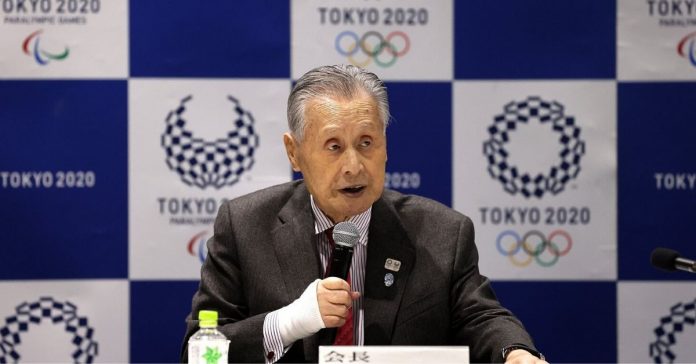
This week, Yoshiro Mori, the former prime minister of Japan and now president of the Tokyo Olympic Committee has suggested that if a vaccine is not ready for the Olympics in 2021, then the event should be cancelled.

Yoshiro-Mori-696x364

Yoshiro Mori (Source: daily Mail)

Argentina, France, Ghana and Holland have cancelled their 2019/2020 Soccer Championships and the UK Premier League is thinking about it. France’s policies also put the postponement of the Tour de France in jeopardy, the UCI meets this week. The Ryder Cup could be postponed to 2021 and played without spectators.
What should Deaf sport do?
Back in March, many organisers of international Deaf sports events were optimistic and postponed events to late summer or later in 2020, but is this possible? The World Deaf Golf Championships of 2020 has been postponed, new dates to be discussed. ICSD wants to carry on and go to Brazil for the Deaflympics in 2021.
Can we honestly expect Brazil to host a Deaflympics in 2021? There is no strategy from ICSD, no funding in place. The Brazilian President has put his people at risk, calling Covi-19 a “measly cold”.
ICSD is in a very weak position internationally with the IOC and IPC. When the ICSD president was placed under house arrest in 2018, all funding taps from the IOC to ICSD were turned off. Even now after two interim presidents have been appointed, the funds are still withdrawn.
Russia has been banned from international sport, yet ICSD have stood by its Executive Director Dimitry Rebrov and continued to allow the Russian to run its affairs despite the fact that he has previously been found guilty of falsifying audiograms. Despite all of this, ICSD carries on as normal with no audited accounts, so IOC continues to withhold funds.
The IOC has asked ICSD to move forward and come up with Deaf Sport Reform, first developed by President Donalda Ammons and then restructured by President Crowley with a unanimous Congress approval to go ahead in 2013. Has ICSD gone to sleep, does it think it is immune from sports politics or is it just afraid of change?
International Deaf sport is on a ventilator, it may not survive.

What should deaf sport do?

Go back

Your message has been sent

Warning
Warning
Warning

Warning.

Never Heard of the Deaflympics?

Samsun emblem2017-s-large

As we get closer towards the Opening Ceremony of the 23rd Deaflympic games in Samsun, Turkey this summer, Deaflympic athletes and their supporters are working hard to raise the profile of this event through Social media (Facebook, Twitter, LinkedIn, Instagram etc) – this is generating the important and necessary exposure that the event needs.

This is important because it is still largely unknown in the sports world and to the general public and therefore many people will be finding out about the Deaflympics for the first time. When they learn that the Deaflympics are the oldest International multi-sports event in the world for disabled people, they want to know why they have not heard the name before.

All types of movements and organisations within society are highly dependent on the political and public profile that the leaders inherit, cultivate or acquire. The founding of the Olympic, Deaflympic and Paralympic movements all originate from the ideals, beliefs, innovations and leadership of three individuals who have been credited as ‘founding fathers’ of their respective events. They were Baron de Coubertin, Eugene Rubens-Alcais and Ludwig Guttmann.

These founding fathers all started their movements from different starting points and once people understand this, they will realise how important the Socio-economic backgrounds and the amount of political influence that these leaders had was critical in raising the profile of their causes.

Socio-economic backgrounds

Before the first Olympic and Paralympics Games were inaugurated, Coubertin and Guttmann had already become very successful, wellconnecetd and highly celebrated in their professional careers.

In contrast, the co-founder of the International Games for the Deaf, Rubens-Alcais, in his lifetime, never progressed to become anything more than a car-mechanic in a Paris suburb. This surely suggests that the legacy of Eugene Rubens-Alcais is remarkable.

Without a comparable high standing in society, Rubens-Alcais was unable to call upon networks or influential political support when most needed. Described as a ‘brilliant’ man of modest habits, he spent the whole of his adult life in a sparsely furnished and simple attic apartment. He gave all his time and everything he had to the cause of his friends and others.

He was eventually recognised decorated several times by his fellow countrymen; Officier d’Académie 1930 (Silver Palms) – awarded in France for contributions to national education and culture, Médaille d’Or de l’Education Physique (1930), a Gold Medal for Physical Education, Chevalier du Mérite Norvegien (1960), Chevalier du Mérite Social and the Commandeur du Mérite Sportif (1962).

For Guttmann, his starting point was very different. When he first established the Stoke Mandeville games, he was able to call upon the support of many influential people. One of his spinal-cord associates was Professor Maglio, who ran an Italian research centre on impairments. They collaborated and worked to ensure their Games followed on from the 1960 Olympics in Rome. Dr Nakamura, a Japanese medical researcher worked with Mr Kasai, Chairman of the Japanese Sports Association for the Disabled who, through him, had close ties to the Japanese government. And Kasai’s further influence secured funding for the 1964 Games from both public and private sector sources. When the Mexican government cited ‘technical difficulties’ as their reason for not hosting the Paralympics in 1968, the Israeli Government was lobbied by the ILAN Society (a group of disability activists); and this resulted in the event being hosted near Tel Aviv.

 Political Influences

The political connections accessible to Coubertin and Guttmann placed them in a position of influence that Rubens-Alcais could never hope to achieve.

The Olympics were not an original idea of Coubertin. In the beginning, an Englishman, Dr Brookes attempted to revive the concept of the original Olympic Games but was studiously ignored by the British sports establishment, despite having contacts within the Greek government and with the Greek Olympic philanthropists, the Zappas cousins. Brookes then began to collaborate with Coubertin who used his international society contacts to persuade the King of Greece and its government, along with others, to fund the 1896 Olympics in Athens.

The British government funded Guttmann’s research work so he already had the political backing he required. The idea of using sport as a motivator came to Guttmann when he observed patients playing a game in their wheelchairs utilizing a puck and an up-turned walking stick. The Disabled Persons (Employment) Act was passed by the British government in 1944 and members of Parliament who were war-veterans themselves ‘insisted that the act give preference to those injured as a result of war service’. This, however, focused on those who had become disabled by the trauma of war and did nothing to help the congenitally disabled that had not been injured in the line of duty.

It is necessary to digress here, whilst on the subject of political influence, and introduce a fourth pioneer – Eunice Kennedy Shriver, founder of the Special Olympics. Her first “Shriver Camp” was set up in 1962 and was an indelible part of the philanthropic Joseph P. Kennedy Jr. Foundation and the political drive of President John Kennedy towards the needs of children and the field of intellectual disability. The Kennedy legacy still remains a large attribute of the Special Olympics today.

Eugene Rubens-Alcais, who was born with normal hearing but became deaf at an early age due to fever, already had odds stocked against him when, in the 1920s, he began his far-reaching friendship with Antoine Dresse. Antoine came from a family of Belgian bankers and industrialists in Liege. These two men formed a unique alliance of interests as they began to build a federation of pan European Deaf sports organizations. They had small networks to draw upon and neither had the credibility of a highly respected international social/professional position. But, nevertheless, what they had was an opportunity to empower disabled people in a society that largely ostracised them.

Eugene Rubens-Alcais resigned as the President of the Comité International des Sports Silencieux (CISS) in 1953 and was succeeded by four other leaders who had to compete with Guttmann’s political standing until Robert Steadward in turn succeeded him. Rubens-Alcais’ successors were also people of modest socio-economic standing (See table below)

Table: CISS Presidents during the time Guttmann led the International Stoke Mandeville Games Federation (ISMGF)
Rubens Alcais FRA (1924-1953) Car mechanic
Oscar Ryden SWE (1953-1955) Joiner, woodcarver, Sculptor, editor and lecturer.
J.P Neilsen DEN (1955-1961) Carpenter
Pierre Bernhard FRA (1961-1971) Carpenter, wood sculptor, coffin maker and WW2 resistance fighter.
Jerald Jordan USA (1971-1995) Printer, teacher, administrator at Gallaudet University for the Deaf.
Further details and biographies can be found in CISS 2001: A Review.

To read more about this subject and understand how the disempowerment of disabled people and the professional background of Deaflympic leaders may also have been a strong factor in the low-profile of the Deaflympics, you can order your own copy of Same Spirit Different Team here.


The above article is an edited extract from the book itself.

High Praise and High Expectations for Samsun Deaflympics 2017

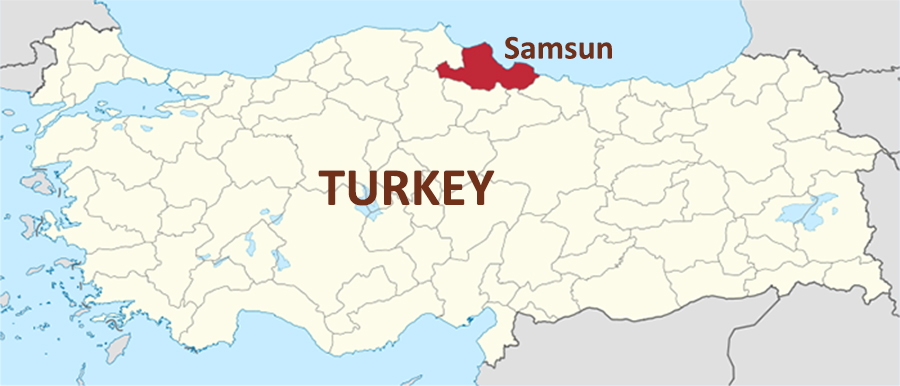
With just 71 days to go to the Opening Ceremony, President of the ICSD Dr Rukhledev has praised the Organising Committee of this year’s Summer Deaflympics in Samsun, Turkey.

700px-Samsun_in_Turkey

This is very good news indeed, it is important that standards are continually met in order to meet the high demands and expectations of each generation that comes into sport.

I share Rukhledev’s sentiments and praise for the high quality of the 2005 Deaflympics as I was with the GB team in Melbourne when the organisers teamed up with the Commonwealth Games committee and worked together to use the Deaflympics as a testing event for many of the venues. Taipei were up next in 2009 as they wanted to show the world and the IOC that they too are capable of hosting World Class events and should be considered as a contender to host the Olympics. Again, I can also vouch from personal experience from being there with my family that the organisers did not disappoint us; up until now athletes, officials and administrators in the Deaflympic movement have often wondered if it was possible to improve on the spectacle delivered by the City of Taipei.

By all accounts, it would appear that athletes, officials and supporters heading for Samsun this summer are going to rewarded with the best ever Deaflympics to date. To back up ICSD’s claims, the Chef de Mission of the DeaflympicsGB was very impressed with how things were progressing when he went out for an early inspection visit in February, so things have clearly moved up a notch in the three months since then.

Athletes and coaches preparing for this year’s event should be highly motivated by this good news as things have been very difficult economically, especially when many governments still refuse to treat Deaflympians with the same accord as they do for Paralympians. Whilst DeaflympicsGB have maximised the use of social media, personal contacts and sacrificed training time for fund-raising activities to reach their funding targets recently, other Commonwealth nations like Australia are still looking for funds. The President of the IAAF, Sebastian Coe once said that if you put the athletes at the centre of all your planning and preparations, then they will be able to perform at their lifetime best.

With favourable inspection reports coming in, it would appear that the hosts are going to deliver as Lord Coe suggests. For example, this will be the very first time that there will be an Athletes Village for the Deaflympics where everyone will experience the ‘melting pot’ of cultures and nationalities all sharing the same accommodation to be hosted by the University of Samsun. But this will also bring a new set challenges for the 80 or so, national Chef de Missions and their backroom staff who, up until now have been used to managing the daily logistics of preparation and recovery of their athletes from the sanctuary and isolation of privately booked hotels and other forms of accommodation, with minimal interaction and interference from other teams.

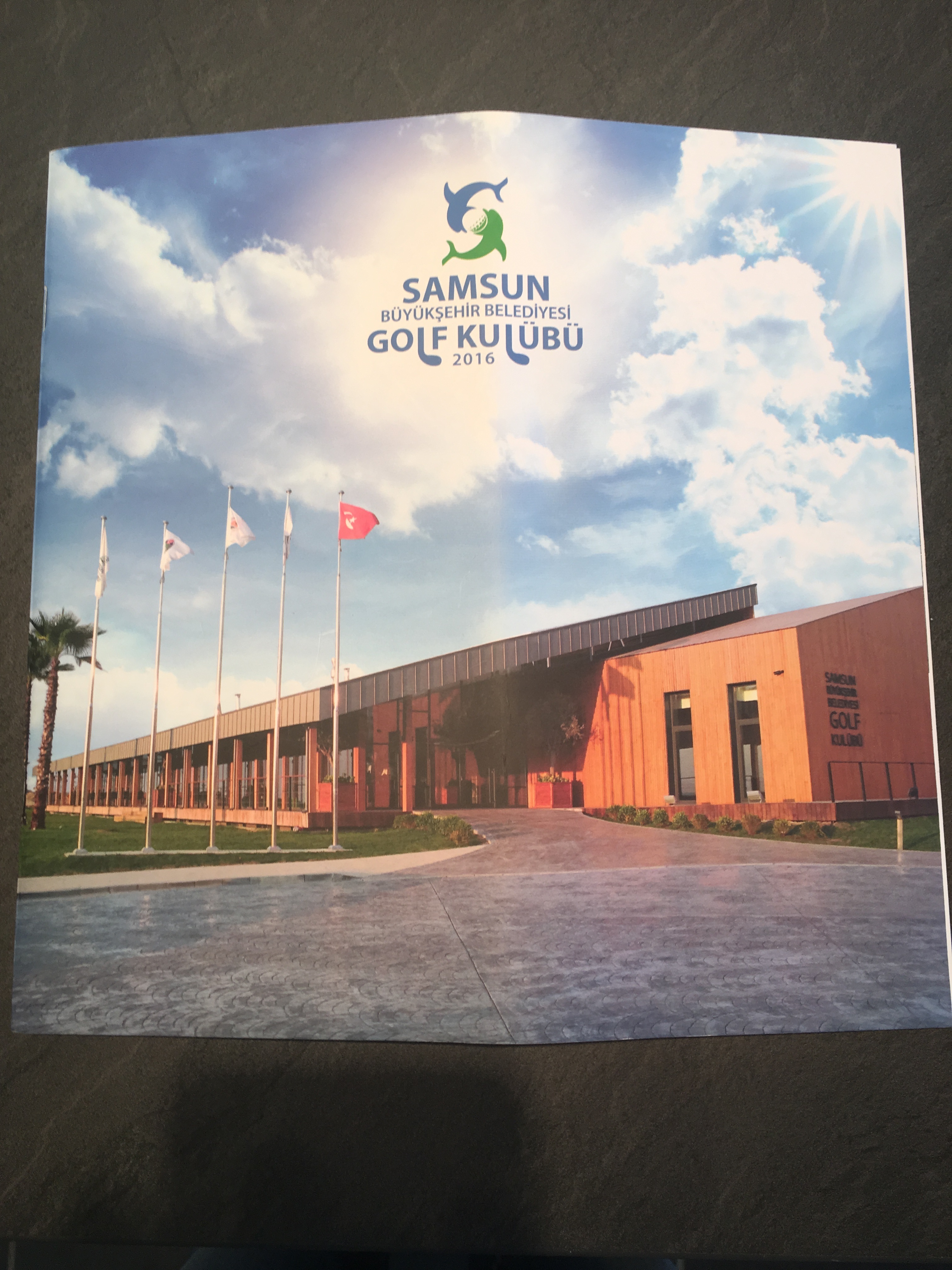
This year I will be joining DeaflympicsGB  as Manager for the golfers where our sport will be medalling for the first time since the games began in 1924. Our hosts will be Samsun Golf Club whose brochure and promotional materials backed up by our CdM’s inspection report reassure us that only the very best will be good enough for our competitors.

image1

For more information about the Deaflympics 2017


Will Russians be banned from the 2017 Deaflympics?

This afternoon, the International Paralympic Committee banned the entire Russian team from competing in next month’s Paralympic Games in Rio.

sir_philip_craven_credit_ipc_06_2_9923

Sir Philip Craven (photo sportanddev.org)

Sir Philip Craven, IPC President said: “Tragically this situation is not about athletes cheating a system, but about a State-run system that is cheating the athletes. The doping culture that is polluting  Russian sport stems from the Russian government and has now been uncovered in not one but two independent reports commissioned by the World Anti-Doping Agency.” Full statement

Will the International Committee of Sport for the Deaf follow suit and make a decision to exclude Russian athletes from competing at the 2017 Deaflympics in Turkey next summer?

On 25th July, we commented on the need for ICSD to consider and follow actions taken by others in the IOC family. Whilst many would consider the IOC decision making not robust enough to stem doping, we feel that the IPC decision to enforce a blanket ban on the Russian team to be the right action to take.

The ICSD does not have the finances and resources in place to enforce anti-doping and therefore it is highly likely that cheating is taking place at the Deaflympics. The Russian Deaflympic officials are not shy about cheating, they have been taken to court for falsifying an audiogram of one of their wrestlers. They cannot be trusted with the task of Executive control of the ICSD and the Deaflympic Games.

As we reported on 27th April this year, the ICSD has not published the names of Deaf athletes who returned positive doping tests on its website. This is the responsibility of the Chief Executive – a Russian, most of the athletes who would be on this list are – Russian.

It is now time for the ICSD Board to take back control of the Deaflympic movement, suspend its President Valery Rukhledev and Dimitry Rebrov, its Chief Executive at the very least and restore some confidence amongst its membership.

Two Big Ears calls upon representatives of ICSD national federations to unite and demand that the ICSD Board take action. Do not allow the Russians to ignore your concerns for a second time, do not let the Russians dismiss you so easily as they did last year.


.


Doping in Deaf sport not transparent say critics.

According to an article in Parasport News, the International Committee of Sport for the Deaf (ICSD) who govern the Deaflympics have been substandard when it comes to reporting on doping violations by Deaf athletes.

The full article from Parasport can be read here.

ICSD rules say that when doping cheats are found out, the results will be advertised on the ICSD website – according to the Parasport article, this has never been done.

Since 1986, a total of 370 Paralympic, Deaflympic and disability sport cheats have been caught – but only 28 have been Deaf and all except two were discovered during the Summer and Winter Deaflympic Games.

The nationalities of the 28 athletes are 5 unknown, 1 German and 22 Russians. The ICSD has not published the names of these athletes, this breaches its own rules in article 14.4:

“The ICSD shall publish at least annually a general statistical report of its Doping Control; activities, with a copy provided to WADA. The ICSD may also publish reports showing the name of each athlete tested and the date of each testing.”

This makes it difficult for competition organisers in Deaf World Championships and regional championships to know who has been banned – because the names are not published according to article 14.4.

The greater concern is that doping is not carried out during World Championship and regional events – so it is likely that many more doping athletes are going undetected.

It is of no surprise that the IOC and other international sports bodies will not take Deaf sport seriously because this lack of transparency does not make officials feel confident about the reliability of Deaf sport to run its events to the highest standards.

It can be argued that of ICSD had done their job properly, delegates at the ICSD Congress in 2013 may not have elected the Russians to run their organisation if they knew that in 2009 and 2010 a total of 15 out of 16 athletes caught cheating were Russian.

This alarming lack of oversight on Doping Control means that the  ICSD Executive Committee has allowed Russian athletes to compete in recent Athletics events organised under IAAF rules despite a worldwide ban in the sport of Athletics. The ICSD Athlete Representative Dean Barton-Smith has had no reply from the ICSD to his written concerns about this.

The same goes for Audiogram cheating; event after being found guilty by a Russian court of law for falsifying audiograms, the ICSD Chief Executive still remains in post. Two Big ears has reported on this previously.

When will Deaf sport wake up and challenge the ICSD Executive about this ?


Deaflympic Congress votes to ignore fraudulent behaviour of the Russians.

Last week, at the 45th Congress of the International Committee of Sport for the Deaf, a proposal to discuss concerns about the Russia Committee of Deaf Sport (RCDS) being found guilty (by a Russian Court of Law) of submitting fraudulent audiograms was turned down and effectively ignored.

When put to a vote, 33 delegates were in favour of action, 5 against and 12 abstained. The motion needed 41 votes to gain a majority of 75% to proceed in accordance with the ICSD Constitution.

Staff employed by the RCDS falsified audiograms in 2011 to discredit an athlete. They were found guilty in a Russian Court of Law and another Court also overturned their subsequent appeal in 2014. Dimitry Rebrov, the current Chief Executive Officer of the ICSD, submitted the audiogram and Valery Rukhledev, now President of ICSD, was President of RCDS at the time.

The act of RCDS officials submitting fraudulent audiograms is on a par with Olympic officials submitting fraudulent doping specimens or test results or Paralympic officers submitting fraudulent disability classification assessments.

This raises the question; Do the 12 national representatives at the ICSD Congress who abstained actually understand the implications of the case? Was something amiss in translation? Did the proposers allocate sufficient time to ensure that everyone had read or understood their concerns?

When random testing in carried out at the Deaflympics, athletes whose hearing loss does not meet the audiogram standards are dismissed from competitions immediately. Job done.

But when a national federation is found guilty by a Court of Law of deliberately submitting a false audiogram to discredit an athlete – nothing is done.

Something is not right.

ICSD Audiogram Cheating is a Disgrace

Deaf sports men and women and their public supporters have been contacting Two Big Ears to demonstrate their anger and concern at the news that International Committee of Sport for the Deaf (ICSD) employs staff who have been found guilty of falsifying audiograms. They have responded to the declaration from Deaflympic cyclist Tom Smith who has led the call for the Executive Board of ICSD to investigate and make changes to the ICSD leadership otherwise he will be boycotting the 2017 Summer Deaflympics.

Thousands of people around the globe have been following the story since it broke on the 23rd December here on Two Big Ears. Amongst these readers is Deaflympic swimmer Emily Noden who believes that the situation is “a disgrace because it strips deaf athletes of their reputations as honest sportsmen and women.” She has come out in support of the need for Deaf sport to come under the control of the International Paralympic Committee (IPC) in order that doping and audiogram regulations can be controlled at events like the European Deaf Swimming Championships where she competed recently “ the fact that there was no doping control meant I was at an unfair advantage knowing anyone there could have taken performance enhancing drugs and got away with it, making the sport potentially dishonest.”

A former Deaflympic swimmer, who remains anonymous suggests that it would be difficult to integrate deaf events into the Paralympics but does agree that the ICSD should be working closer in parallel with the IPC “to get back to better managed again.” With doping and audiogram control under independent bodies to oversee this work. The swimmer went on to say “It’s unfortunate that the ICSD Delegate voters went for Russian to be president of ICSD in 2013 who has now caused controversies to date. We in deaf sport will need to learn from mistakes and choose a proper and right people to sit on ICSD and a new president to manage, led and change where Craig Crowley have left off as he had done so much of the rebuilding work…” and that the ‘ill-advised’ delegates who voted not to re-elect Crowley in 2013 are “banging their head on the wall with their mistake.”

Verity Joyce who competed in the Deaf World Games (Deaflympics) in 1993 aged 12 can “certainly see advantages for being part of the para movement – funding being a big one, along with status and integrity.” Able to speak from previous experience of being part of a former Paralympic swimming set up “communication is key and no other athlete was isolated to the same level as I was in terms of information and inclusion. If we are to become a part of the para movement, it will be a huge culture shock to them, the media and so on. Also we need to fight for communication inclusion on a whole new level, which in some ways will be a shame as it will detract from the sport.”

In reply to Joyce, Emily Nolan said “The IPC, with their millions of pounds of funding they have received in recent years would certainly not have any problems in funding interpreters”.

Members of the Deaf community, like David Jackson (married to the Deaf Culture and Sign Language advocate Eva Feilding-Jackson) who supports and enjoys watching Deaf sport are coming round to the idea of deaf people competing in the Paralympics and argues that Deaf sport should accept the fact that logistics and IOC regulations will mean that deaf athletes will be subject to the limitation of athlete numbers as it is for all disability classifications because “It is the Deaf Awareness aspect that will definitely arise from seeing Deaf athletes on TV and in newspapers. That can certainly be a good thing for us. We need to force the ICSD do accede to this- it seems to me that some of the ICSD members are from countries where there is a clout to stop us being part of the Para’s movement. If that is the case, it is a very negative attitude that we will suffer for years to come.”

The ICSD (International Committee of Sport for the Deaf) have not commented publicly on the issue of audiogram cheating but reliable sources have informed us at Two Big Ears that the Executive has “taken notice” of the story being released.

3,000 viewers in 59 countries are paying attention to this story and expect to hear some answers from ICSD.

The Russian-led ICSD who control regulations for the Summer and Winter Deaflympics and oversee regional federations around the globe will be holding their next (45th) Congress at the end of March during the 15th Winter Deaflympics taking place in the winter sports city of Khanty-Mansiysk – in one of the most isolated and little known regions of Russia. Congress information packages have ben sent out to national delegates and ICSD president Rukhledev said ‘The more of you are able to come, then the more we are able to discuss the many pending items on the agenda that requires approval.”

Guy Finney of the UK deaf athletics team wants the 45th Congress delegates to challenge ICSD on taking remedial action over false audiograms – Two Big Ears wants to know who will be brave enough to make the long trek to Khanty-Mansiysk to stand up and challenge the Russian Bear?


For an in depth study of the Deaflympics you can order a copy of the latest book

Same_Spirit_Diff_52d405a637836

Cyclist will boycott next Summer Deaflympics if ICSD do not change their ways.

Professional cyclist and Deaflympic silver and bronze medal winner, Tom Smith from Wales has responded to the latest news on the falsification of audiograms.

IMG_1860

“Your recent article on the falsification of audiograms by the Russian leadership of Deaf sport has touched me in a negative way. I am really disappointed about what I have read.

I have never been comfortable about the outcome of the election at the ICSD Congress in Sofia 2013, where America and Great Britain promoted clear mandates and manifestos in their election campaigns. The Russians provided neither a manifesto nor even a general plan on what they were going to achieve.

Since then, the ICSD President; without reason, has sacked its entire staff, the majority of whom was British and brought in an abundance of Russian personnel.

After this I learned that at the European Swimming Championships (held in Russia), all doping controls were held on the final day after a week’s worth of competition, and not all events were tested. This alone makes a mockery of sporting values, and towards WADA.

The Russian ICSD have made no improvements to deaf sport, no improvements to doping control, no improvements to athletes futures and refuse to answer simple emails from nations about upcoming events. More worrying is that the ICSD President has told the IOC and IPC that he does not need their assistance to develop deaf sport; this misplaced defiance is both arrogant and irresponsible.

And then we learn about a senior member of staff, put there by the ICSD President himself; submitting a false Audiogram under an athletes name, putting them in danger of disqualification. Fortunately for that athlete the situation was rectified but let me ask you this- what right do Russia have to the in charge of the ICSD?

I want to say to my fellow Deaflympians; do you honestly believe that the ICSD leadership has your best interest at heart? They have so far ignored the Athletes Commission chaired by Dean Barton-Smith and Terence Parkin. They have already been found guilty of manipulating audiograms. They have lied, they have cheated, and they have alienated the IOC and IPC along the way. Deaf Sport currently has no future.

Are you really going to sit back and allow this to carry on? We should be in the Paralympics where our best interests will be safeguarded, and also to enhance deaf awareness. There have been talks of a petition for the Deaflympic athletes who really want this change. If you want this change, email Two Big Ears and let them know.
As an athlete who has morals and ethics, I can say that I will 100% not be going any further Deaflympics with these criminals in charge.”